Complexity In A Common Ankle Sprain

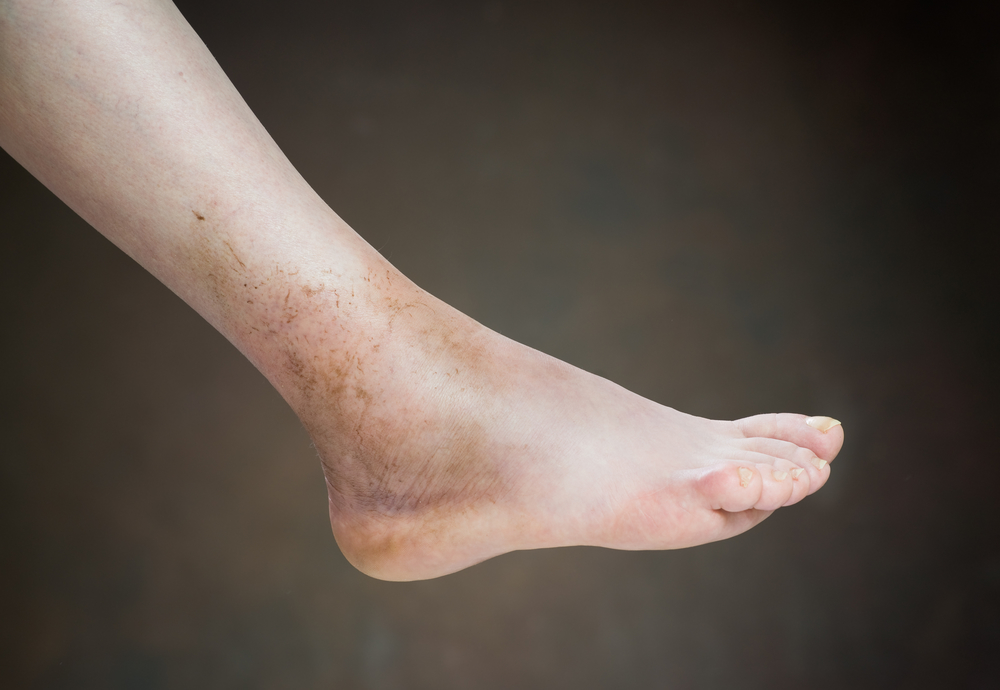
Everyone has experienced some degree of ankle sprains. You might have experienced it when your walking along and just mis-stepped that small curve, running down the stairs and just lost balance or somethings playing sports you land simply land awkwardly. Having experienced it, have you ever wondered exactly what is it? Some ankle sprains take much longer to heal than others. Why is this so?
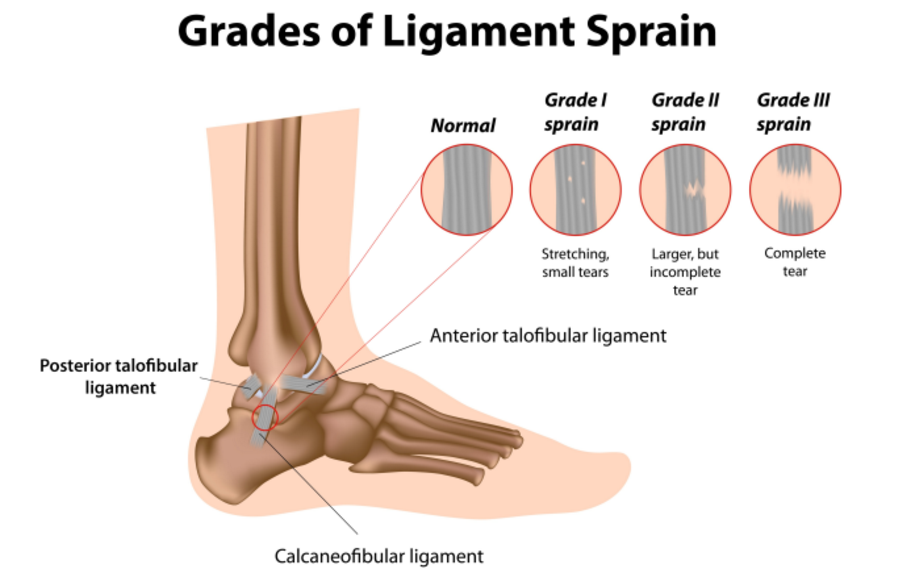
As common as the injury is, the structure of the ankle isn’t simple at all. On the outside of your ankle, it is stabilized by 3 ligaments: one in the front (anterior talofibular ligament), one in the middle (calcaneofibular ligament) and one in the back (posterior talofibular ligament). On the inside of your ankle, there are 4 ligaments that stabilize the ankle, collectively known as the deltoid ligament. There’s other bones and muscles in the ankle, but we’ll stick to the ligaments for now since we are talking about ankle sprains.

The most common ankle sprain is the inversion ankle sprain, in which the outside ligament in the front gets stretched or sometimes ripped. If it’s just stretched, it’s considered a grade 1 ankle sprain. If it’s partially ripped but still intact, it’s considered a grade 2. Lastly, the injury is considered a grade 3 when the ligament is completely ruptured. Intuitively, the healing time will vary depending on the extent of it injury.
Although the ankle sprain seems like such a common injury, the ankle itself is a complexed joint consisting of multiple tendons, ligaments, nerves and muscles. If you’ve got a bit of lingering pain, feels your ankle just isn’t normal or you’re getting recurring ankle injuries, it’s a good idea to go see a physiotherapist.

At Capital physiotherapy, we have movement experts that have much experience with ankle sprains. Our physios understand the structures around the ankle and can give some solid advice to help build strength and confidence in your ankle once again. If your in South Yarra, Footscray or Balwyn, give us a call or email us at info@capitalphysiotherapy.com.au and one of our friendly physiotherapist will help sort out your ankle worries.
Did I Wreck My Radial Nerve?

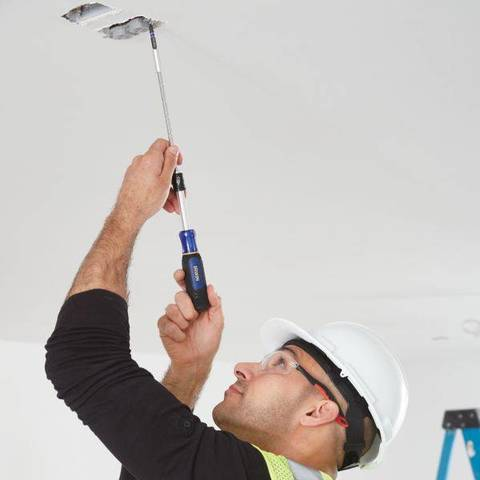
There are some days that your wrist feels weak when doing everyday activities like using the screwdriver, using the spatula or picking up a jug of water. Generally speaking, it’s usually nothing serious and giving it a rest for a day or two would usually fix it. However, what if resting just isn’t cutting it? What if it’s something else?

Basic Anatomy:

Nerves are a tricky thing, so let’s go over a bit more anatomy this time. The wrist is a complex structure consisting of 29 bones and 34 muscles that complete the dexterous movements of the hand. Along with this, you have 3 major nerves that supply the front and the back of the hand. If you’ve got lingering weakness with your grip, especially during the movement of opening your palm, you might have injured one of your major nerve. The particular nerve of interest with this opening of the palm and also the bending the wrist upwards is the radial nerve.

Radial Nerve Supply:

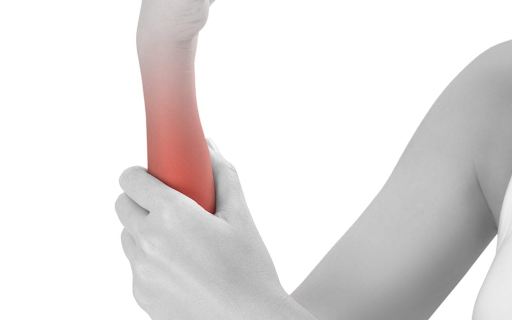
The radial begins in the side of your neck traveling behind your upper arm then into the back of the forearm. At the forearm, it supplies the muscles of the forearm that does the movements mentioned previously: opening the palm and bending the wrist upwards. Hence, that weakness felt when opening your palms or bending your wrist upwards if the radial nerve is irritated. Not only does it supply the muscles of the arms, it also has touch sensory input on the back of your forearm hand. So if you’ve got some lingering weakness and also feel some weird different sensation on the back of your hand/forearm, it’s quite possible the radial nerve is involved.

How Does It Happen:

Since the radial nerve travels from the neck all the way to the hand, anything that irritates the nerve along its pathway can be considered radial nerve irritation. One of the silliest (but common) ways is if someone (or yourself) sleeps on your arm. Having the full weight of a head on your arm the entire night can cause compression to the nerve leading to radial nerve irritation. In activities where you have to continuously use your forearms (screwdriver, hammer, racket sports, gym training, etc.), the repetitive contraction of your forearm muscles can also compress and irritate the nerve.

Again, nerves are not the easiest things to deal with. If you’re getting lingering symptoms like change in sensations in the back of your hand and especially weakness of your forearms, it’s best to get it checked out by a professional. Physiotherapist are movement therapist and are familiar with the anatomy of the arm. We can help identify where the nerve has been irritated to specifically and effectively treat the area of irritation.

At Capital Physiotherapy, we believe in a holistic approach from pain management to return to daily activity and then return to work or hobbies. If you’ve got worries with your arms, email us at info@capitalphysiotherapy.com.au to book an appointment with us at South Yarra, Balwyn and Footscray and our friendly physiotherapist will help you find out the cause of your worries and get you back to doing what you love.

Do I Have an Unstable Shoulder?

Shoulder instability is a catch all term used to describe the inability of the body to keep the upper arm in the center of the shoulder joint. Misalignment of the shoulder joint can arise as different symptoms, but generally most complain of some sort of weakness during overhead activities.

The Shoulder Joint:

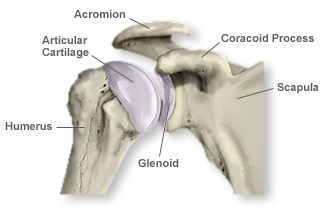
Quick anatomy class, the shoulder joint is made of the upper arm bone (Humerus) and the shoulder blade bone (scapula). Notice the connection point between the humerus and the scapula. The head of the humerus is pretty big compared to the connecting surface of the scapula. In order to keep the head of the humerus centered in on scapula surface, the ligaments, muscles and cartilage structures around the shoulder joint need to work together in coordination.

How does it happen:

Unstable shoulder can begin with a single traumatic event causing damage to the surrounding structures of the shoulder. In the sporting world, getting tackled from behind or the side with your arm reaching overhead can easily damage the ligaments of the shoulder leading to shoulder instability. If you fall with an outstretched arm directly onto your side, there is a big risk for injuring both cartilage and ligaments.

Unstable shoulder can also occur with repetitive extreme range motions. A classic example would be the baseball throw position. Due to the repetitive action of placing your shoulder in an extreme range of motion, the ligaments can get overstretched and muscles can be strained. Other notable activities with these extreme shoulder ranges include swimming, weight training and overhead related work like light fixture installation.

What does it feel like:

If the muscle, ligaments or cartilage around the shoulder is injured, there is a chance that the humerus will be off centered when moving your arm around, especially during overhead activity. Pain and/or weakness at the shoulder would be the most common complaint, especially when performing overhead activities like hanging clothes, reaching for high cupboards, catching ball overhead and overhand throws.

Shoulder instability can be debilitating to a point where it interferes with your hobbies. If left unchecked, it may start affecting your activities of daily living as well. Simple task like hanging clothes, reaching of high cupboards and every reaching across the table may become more and more difficult. Before it gets to this point, it’s probably a good idea to get it checked out by a physiotherapist.

Physiotherapist are movement specialist and can help manage shoulder conditions like shoulder instability. At Capital physiotherapy, we perform a thorough assessment to identify which structures of the shoulder has been compromise. This way, we can directly target the deficit to get the best results as efficient as possible. If your shoulder is giving you grief, email us at info@capitalphysiotherapy.com.au or give us a call at one of our clinics at South Yarra, Balwyn and Footscray to start a holistic tailored program.

The Importance of Core Strength and Control in Breakdancing

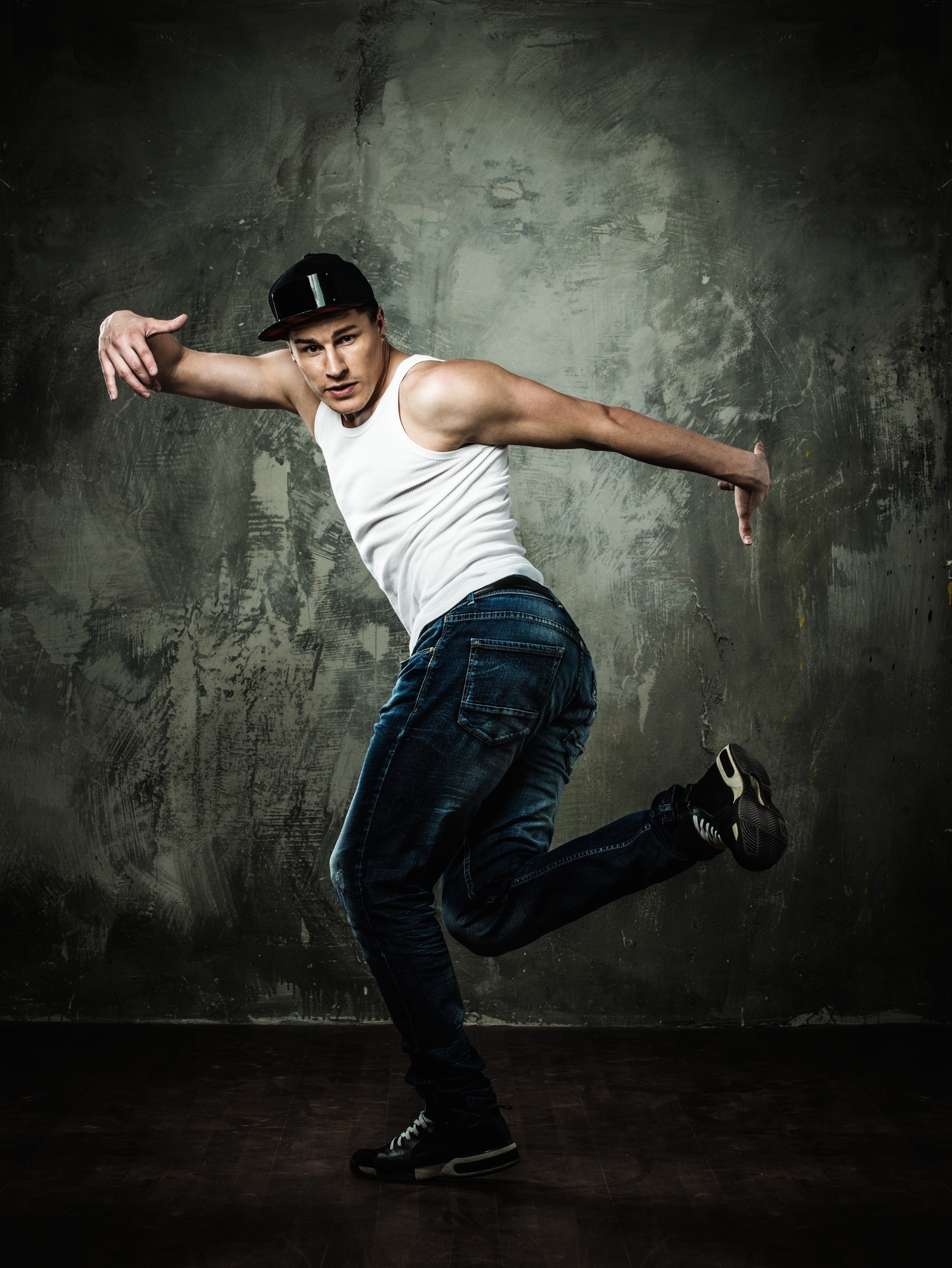
Continuing on the topic of dancing, let’s talk about breakdancing. What really sets apart breakdancing from all other dances is the flashy moves executed on their hands. Basic movements like transitioning from crab position to prone position and handstands are considered easy to breakdancers. Experienced breakdancers can spin and jump from hand to hand for a good 30 seconds when performing some of the more advanced moves.

Much like any other dance, breakdancers requires a great deal of strength, body awareness, balance, flexibility and coordination. Lack in any of these components of fitness would definitely reduce the fluidity of bboy moves. However, I would argue the most important factor for any breakdancer would be the extraordinary core strength and control.

Let’s take the beginner downrock footwork “6-step” for example:

When we break down the move, it’s basically a transition move from plank to side plank to reverse table top by stepping your legs in a circle. The planks, side plank and reverse table top all have a component of core strength. Since breakdancers transition in and out of this position regularly, they should have extremely strong core strength.

Now consider the basic power move “flare”:

This is a move where both legs are off the ground for the duration of the move, which means the breakdancer will only be on their hands. Arm strength is definitely required for the move, but it is more important to be able to bring your body high enough to allow your legs to clear the ground. In other words, you need that core strength to elevate the body up.

With that said, core strength sets up a solid foundation to execute various moves in breakdancing. If your foundation is weak, the entire move would crumble. Check out one of our previous blogs for more information on core strength and stability: https://stage.capitalphysiotherapy.com.au/importance-of-core-strengthstability/

If you seem to be you’ve been in the bboy scene for a while and seem to have plateaued despite the number of hours spent practicing in the studio, it might be worthwhile to get thorough analysis completed by a physiotherapist. As movement experts, we can pick up on subtle muscle deficiency that may be the reason why you’ve plateaued. We can incorporating an individualized strengthening program can greatly complement breakdancing.

It’s also common for breakdancers to be hiding their aches and pains to continue dancing away. If you’re looking for an alternative to improving your dance or have some muscle issue that you are unwilling to share with your fellow dancers, come talk to one of us at Capital physiotherapy. Contact us by phone 0401 865 333 or email info@capitalphysiotherapy.com.au and one of our holistic friendly physiotherapist will help you stay on top of breaking.

Physiotherapy and Post Transport Accidents (TAC)

As physiotherapists, we play an important role in helping our clients recover from their transport accident injuries.

We see a range of injuries from TAC:

  • Fractures
  • Head injuries
  • Whiplash
  • Spinal injuries
  • Post-surgery complications

We understand that it can be traumatic period for our clients and in Capital Physiotherapy, our therapists take a holistic approach to not just treat our client’s body parts but treating them as a human being, understanding their traumatic experience and how it may impact their daily activities and living.

We strive to achieve optimal recovery at the shortest time possible.

All our physiotherapist are well trained with post traumatic injuries. We provide a whole range of in-room services including dry needling, massage, and manipulation and also out of the room rehabilitation, for strength, flexibility, gait re-education and many more. We provide a range of individualise rehabilitation program and equipment, to help our clients get back their wellness and start enjoying their lives again!

We believe in early intervention to maximise return to work and health outcomes.

We are a fully bulk bill clinic for ALL TAC clients which means there will be NO OUT OF POCKET FEE for any of the TAC clients with both the physiotherapy sessions and equipment needed to for their rehab.

If you are under TAC and require physiotherapy attention, please do not hesitate to contact us at  0401 865 333 or email us at info@capitalphysiotherapy.com.au.

Physios Guide To Begin A Gym Program For The New Year

It’s a brand new year, and you’ve vowed to sign up at a the local gym or join your friend who has been nagging you about starting F45 (and actually attend regularly).

But if you’ve never been a member of the gym or F45 (or any training group) it can be a confusing and intimidating place and therefore you bow out before even setting foot in the door for the first time. Lets get you started!!!

Now before you do undertake any fitness program especially as a newbie I highly recommend consulting a health professional such as a physiotherapist (physio).

Physios can help you get started by designing exercise programs which suit your personal capabilities/limitations.

An assessment by one of our skilled physio’s here at Capital Physiotherapy will provide you with a safe and effective program. This assessment will make sure you don’t injure yourself at the gym by going too hard or improper technique.

Our physiotherapists can also help with DOMS (delayed onset muscle soreness). Without a doubt you will experience this. Delayed onset muscle soreness (DOMS) is the pain and stiffness felt in muscles several hours to days after unaccustomed exercise. The soreness is felt most strongly 24 to 72 hours after the exercise. There is evidence that massage post exercise reduces DOMS.

Gym Do’s and Don’ts

  • Don’t be a hero and try and lift too much – you will either injure yourself or be so sore from DOMS you will never want to return. Leave your ego at the door.
  • Do go in with a plan (a proper program and diet)
  • Don’t have unrealistic expectations (you will not be an ADONIS in 2 weeks) good things take time.
  • Do return your weights once you have finished
  • Don’t drop your weights
  • Do wear deoderant (no one likes a smelly person working out next to them)
  • And finally enjoy yourself you are embarking on a life changing journey.

If you would like a consult with one of our physiotherapists give us a call or use the online booking service.

Pregnancy and Physiotherapy

Women go through a lot of changes in their bodies during and after pregnancy. The hormonal and biomechanical changes can increase load on the pelvic floor muscles, abdominal muscles as well as lower back structures. Such increase load, when not managed, can result in pain and aches that can persist as post-natal issue. Here are the common conditions pregnant ladies encountered and how physiotherapists can assist with preventing and managing its occurrence.

1. Lower back pain/ sacroiliac joint pain

Hormonal changes in the body relaxes ligaments to allow joints to loosen up in preparation for childbirth. The stability of joints, particularly in the lower back and pelvis, is compromised. As the baby grow, the weight of your tummy increases, shifting the centre of gravity and changes your posture. These lead to instability as well as back and pelvic pain.

2. Incontinence

The weight of a growing baby will continually press on the pelvic floor. Pelvic floor muscles need to be strong enough to support the baby weight otherwise it will not be able to withstand the pressure and will result in urine leakage, particularly when extra stress is added such as when coughing, sneezing and laughing.

3. Diastasis Recti (abdominal muscle separation)

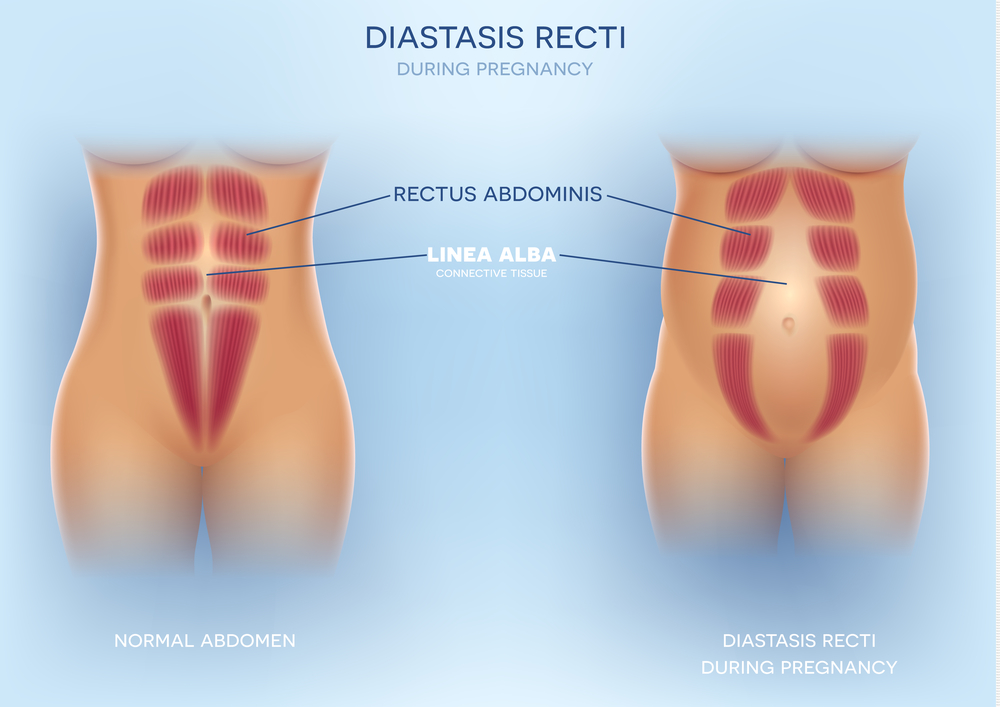
To make room for the growing size of a baby, your abdominal muscles are stretched and sometimes separation can occur where a gap can be felt. It is called diastasis recti and is commonly an issue later in pregnancy in the third trimester. Diastasis recti can reduce core strength postnatally which tends to rehab to assist recovery and regain strength.

4. Carpal tunnel syndrome

Fluid retention is another common problem during pregnancy. When fluid is retained on the peripherals of the arms, it can compress on nerve in the carpal tunnel, causing hand pain, tingling and numbness.

Our physiotherapists at Capital Physiotherapy are trained to assess and treat pregnancy related pain and issues. We can assist in managing your pregnancy by:

– Providing education regarding posture

– Assess and prescribe exercises according to your fitness level, with consideration of

your pain if there’s any, to strengthen your abdominal muscles and pelvic floor muscles. – Tape or advise on equipments (e.g. pregnancy belts) to support your lower back – Treatment to alleviate pain results from pregnancy related changes. – Advise on modifications to your activities to keep you active during pregnancy

Call us or make a booking online if you are experience pain or would like to condition for having a baby. At Capital Physiotherapy, our friendly physios are trained in clinical pilates to look after pregnant lady during and post-pregnancy.

Does Physiotherapy Help Osteoarthritis?

Osteoarthritis is a chronic condition caused by the breakdown of cartilage on the contact surface of a bone in the joint. Cartilage is important to provide a smooth surface for movement.  Therefore as the cartilage breakdown deteriorates, inflammation kicks in resulting in swelling and pain. The rough cartilage surface affects the fluidity of movement. The chronic joint pain, joint swelling, joint stiffness hence affects mobility and quality of living.  

Risk factors

There are many risk factors that are unmodifiable1 :

  • Age
  • Genetics
  • Family history
  • Female sex
  • Race

There are also a range of risk factors that are modifiable.  Our physios are trained to identify the modifiable factors and work with you to improve symptoms as well as prevent further decline in functions. These modifiable factors1  include:

  • Previous injury

Physios at capital physiotherapy are trained to assess, diagnose and rehabilitate your injuries to ensure you achieve the best outcome.  In doing so, we are taking a proactive approach to prevent osteoarthritis.

  • Obesity

Sports physios carefully assess your current level of functions and mobility, then prescribe you with exercises of suitable level to assist with weight control.  Capital physiotherapy particularly emphasis on strength and conditioning to encourage you to live a active lifestyle.

  • Occupational overuse

Physio has the knowledge to optimise your occupational health.  We can advise on modifying your work environment or desk setup. This allows your body to efficiently perform tasks at work and hence putting less stress on your body joints.

So make an appointment with our physios at Capital Physiotherapy today to discuss any osteoarthritis related symptoms your have and start to feel stronger and better!


Reference:

1 March, L. M., & Bagga, H. (2004). Epidemiology of osteoarthritis in Australia. Medical journal of Australia, 180(5), S6.


When To Ice And Heat

When to use Ice vs Heat

Are you suffering from an injury and wonder if ice or heat can help?  When used properly, ice and heat can be therapeutic modalities that are easily accessible by all of us. A general rule is that ICE is for any injuries that are fresh, red, swollen and hot whilst HEAT is for anything chronic, stiff and achy.

Ice

Acute injuries such as a contusion (or more commonly known as a corky), a rolled ankle or a fracture generally elicits a cascade of inflammatory response.  Inflammation is our body’s natural mechanism to protect and repair, by bringing extra blood flow (hence the swelling) and sensitising the pain to stop you from using that injured structure.  Excessive inflammation, however, increases pain and reduces mobility. Ice calms down the inflammatory response by controlling the swelling and numbing the pain. Sports physios also use ice for muscle soreness post-exercises/ post-sports for pain relief.

Heat

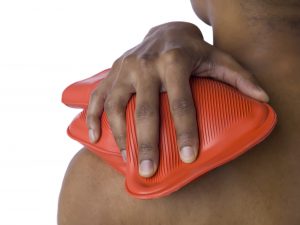
As you may be able to picture, if heat is applied to a freshly rolled ankle, it will only bring more blood flow and make a balloon out of an already swollen ankle.  The therapeutic properties of heat to encourage circulation and relax muscles make it useful for chronic pain. Athletes with tight muscles, or any structures with tension in it find it improves elasticity of soft tissue.  It also has good pain-relieving effect on arthritic joints which is beneficial in the more senior population.

In short, use ice on anything that looks fresh and angry but heat for more long term painful structure,

If you need to see a sports physio for any advice regarding your injury or sports performance.  Feel free to contact Capital Physiotherapy, our friendly physios are more than happy to help!

Know When to Change Your Shoes

Commonly, manufacturers have advised to change your runners after 500-800 km; this is an extremely rough guide. While this figure has some use, we’re going to let you know of other signs that will help you find out if your shoes are still good to run in.
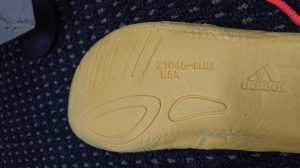
But before we get to WHEN you should change your shoes, let’s talk about WHAT makes up a shoe.

Shoes Anatomy

Your shoe is made up of an: upper, midsole and outsole. The upper can be made from cloth (like Adidas’ Primeknit or a mesh material). The midsole of a shoe is usually made of EVA, which is basically a type of foam. The outsole of the shoe, meanwhile, is made of hard rubber which helps to protect the midsole from the ground.

So now that we know what makes up a shoe, let’s talk about WHEN and, more importantly, WHY you need to change your shoes!

Changing Your Shoes

Quite a lot of people that come into our rooms at Capital Physiotherapy, would say that their shoes are fine. They would show how the outsole is minimally worn out (especially if the shoe has good quality outsole like Continental), or they would show how there are no tears in the upper. While these are good indications the shoe may be ok, you must look at the midsole.

The function of the midsole is the most important part of the shoe. The EVA foam is there to ensure that when you land on your feet, it can absorb any impact forces (so that your bones and joints don’t have to!) EVA foam can be likened to a kitchen sponge. When you squeeze a fresh sponge, you can feel the springiness as it returns to its original form. But over time, the physical properties of the sponge degrades.

Similarly, as you pound the pavement or the treadmill, the midsole of your shoe degrades over time. Here are the signs of when you should change your shoes:
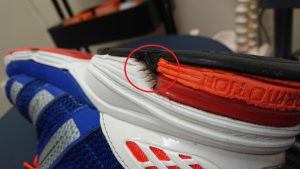
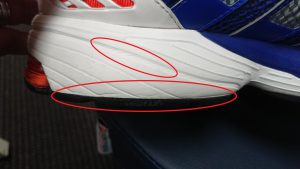
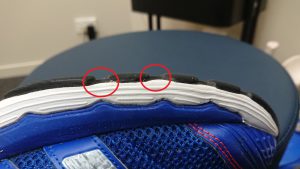
  • Visible and permanent horizontal creases along the midsole of your shoes.
  • The presence of compression marks from where the insoles are.
  • You would also see the outsole ‘digging’ into the midsole.

Basically the EVA foam has been compressed from the top and bottom! The result is, with each step you take in your run, the forces are not being absorbed by your midsoles anymore; but to the joints and muscles in your feet, knees and hips. So here’s another sign to look out for: if you start to feel more aches and pain than normal, it’s probably your shoe not giving the support you require anymore.

Continuing to wear your shoe could result in muscle and tendon injuries, including tears!

Hopefully that has helped you to find out when to change your running shoe. As much as we want to use the shoe until the upper is torn and your toes are showing, or the outsole is worn out completely, the truth of the matter is that your midsole will usually be the first to go.

Come into Capital Physiotherapy and our friendly and knowledgeable physiotherapists would be happy to help you!