Blog

Best Core Exercises For Runners

Did you just start running?

Well in this blog post, I’m going to share with you some simple core exercises that you can do at home to help improve your running skills

Strength and conditioning outside running is one of the most common things that is overlooked by many runners. To help you improve your speed and endurance, as well as the longevity of the sports that you like.

I cannot emphasize enough how important strength training is for running. Adding strength and conditioning exercise to your routine, even one or two times per week, can actually be very beneficial to your training—it can help prevent injuries and help to build up the efficiency of your running.

I’m going to share with you some of the exercises that I normally start off with for most runners that come into my clinic. Doing these exercises, you will be able to significantly improve the efficiency of your running.

Keeping in mind, these tips and advice are of general nature and do not take your injuries/history into considerations. If you are experiencing any pain or would like an individualised tailored program to help improve your running, I highly recommend you speak to any one of your physiotherapists to guide you through your running journey.

Here at Capital Physiotherapy, our physiotherapists are the experts in helping you to fix your issues as well as all the discomfort that comes with it!

We can help you lead a healthier and pain free lifestyle.

Our physiotherapist will be able to give a full assessment on you and come out with individualised advice/ treatment plan that is tailored for your particular needs.

At Capital Physiotherapy, your initial appointment is 40-60minutes long. This allows our physios to be thorough in their assessment, as well as giving them enough time to give you treatment on the same consultation!

For any physiotherapy related concerns drop us an email info@capitalphysiotherapy.com.au or make an appointment through our booking system!  

Additional Information:

We also provide Telehealth Consultation for your safety and convenience during this pandemic.


Core Strength & Stability Workout

Today in this blog, I am going to show you some core stability exercises that are absolutely vital for any sports performance or back and hip injury rehab that no one has shown you before!

I’ll be starting a new series of videos on stabilizing exercises for every major joint in our body in the upcoming few weeks. These exercises will not only be beneficial for your overall fitness but will also help improve any sports performance, help with injury rehab as well as pain management.

I’ll try to make our very complex body anatomy as simple to understand as possible. Our body is made up of two groups of muscles type


The Postural Muscles and The Movement Muscles


Postural muscles are made up of mostly ‘slow twitch” muscle fibre, they are designed to create stability in the joints to help maintain our posture and to also help stabilise our moving joints.

I see a lot of people doing core strengthening exercises, and they do have very strong core but what they are lack if is a good core control and that’s what we call “proprioception training”

Proprioception is the awareness of the body in space. It is the use of joint position sense and joint motion sense to respond to stresses placed upon the body by alteration of posture and movement.

Proprioceptive exercises are exercises which challenge and develop proprioceptive receptors. Proprioception helps to stabilise a joint during static and dynamic functional tasks. Decreased proprioception can lead to an increased risk of injury.

Having a strong core without knowing how to control them is not going to help you translate it to normal functional activities or your sports. In order to improve your sports performance and improve the efficiency and fluidity of your movement, you need to learn how to control the core muscles as and when you need them to, and learning to turn on the precise amount needed for a particular movement.

These series of blogs that I’m starting to make are targeting these postural muscles groups and your proprioception of your core/lower back and hip.

To help improve your conditioning workout routine, rehab and to improve your stability of your joints while you continue to enjoy the sports that you love or just to enjoy a more pain free living.

Keeping in mind these exercises are of general nature and do not take your injuries/history into considerations. In order to fully rehab your discomfort you will still need to continue to progress to harder and more functional strengthening exercises that are specifically tailored for you,  in order to feel pain free while working.

Here at Capital Physiotherapy, our physiotherapists are the experts in helping you to fix your issues as well as all the discomfort that comes with it!

We can help you lead a healthier and pain free lifestyle.

Our physiotherapist will be able to give a full assessment on you and come out with individualised advice/ treatment plan that is tailored for your particular needs.

At Capital Physiotherapy, your initial appointment is 40-60minutes long. This allows our physios to be thorough in their assessment, as well as giving them enough time to give you treatment on the same consultation!

For any physiotherapy related concerns drop us an email info@capitalphysiotherapy.com.au or make an appointment through our booking system!  


Additional Information:

We also provide Telehealth Consultation for your safety and convenience during this pandemic.


How To Build Hip Stability

I’ll be starting a new series of videos on stabilizing exercises for every major joint in our body in the upcoming few weeks. These exercises will not only be beneficial for your overall fitness but will also help improve any sports performance, help with injury rehab as well as pain management.

Body Anatomy


  • I’ll try to make our very complex body anatomy as simple to understand as possible.
  • Our body is made up of two groups of muscles type
  • The Postural Muscles and The Movement Muscles

Postural muscles are made up of mostly ‘slow twitch” muscle fibre, they are designed to create stability in the joints to help maintain our posture and to also help stabilise our moving joints. To train these muscles we must perform the exercises slowly, holding it for a longer period and with higher repetition.

The movement muscles on the other hand are normally very strong, big fast twitch muscles that are designed to give our body an outburst of power, but normally for a much shorter duration of time. To train these muscles, we will need heavy loading and shorter repetition with much more frequent rest periods to ensure the muscles can properly recover before the next activation. Most people that I see come in injured are mostly due to this imbalance between the movement muscles and the postural muscles.

These series of videos that I’m starting to make are targeting these postural muscles groups.

To help improve your conditioning workout routine, rehab and to improve your stability of your joints while you continue to enjoy the sports that you love or just to enjoy a more pain free living.

Keeping in mind, these tips/advice are of general nature and do not take your injuries/history into considerations. If you are experiencing any pain or would like an individualised tailored program to help improve your symptoms, I highly recommend you speak to any one of your physiotherapists to guide you through your rehabilitation journey.

Here at Capital Physiotherapy, our physiotherapists are the experts in helping you to fix your issues as well as all the discomfort that comes with it!

We can help you lead a healthier and pain free lifestyle.

Our physiotherapist will be able to give a full assessment on you and come out with individualised advice/ treatment plan that is tailored for your particular needs.

At Capital Physiotherapy, your initial appointment is 40-60minutes long. This allows our physios to be thorough in their assessment, as well as giving them enough time to give you treatment on the same consultation!

For any physiotherapy related concerns drop us an email info@capitalphysiotherapy.com.au or make an appointment through our booking system!  


Additional Information:

We also provide Telehealth Consultation for your safety and convenience during this pandemic.


Best Home Workout Equipment For Beginners

Equipment that you will need as a bare minimum to have a good and appropriate workout at home.

Here’s the list!

Today I’ll be sharing with you what are the main equipment that I get most of my clients who never have any exercise equipment at home to start having.

It’s good enough to have a whole range of exercises to do with these equipment from beginner to advanced individuals.

Of course, you can have more than these listed and fancy gym equipment at home, but I find mostly these equipment that I’ve listed are generally enough for any clients that come to me for any type of rehab.

Can you do strengthening without any of these equipment? It will be very difficult. Surely there are bodyweight exercises that you can do but if you are injured or are in pain, body weight exercise is probably not the best or most appropriate to start with.

It’s either your weight or nothing in between, hence it’s difficult to prescribe any appropriate exercise for individuals when they don’t have any sort of strengthening equipment to help them rehab.

Strengthening is all about progression. If the resistance band or the weight doesn’t change you don’t get stronger. You always have to start light and work your way up, exercise progression can change as quickly as every week or as slow as every couple of weeks. Starting with a weight that is suitable for you now might not be the case any more 2 weeks later.

Hence exercise that you find useful to eliminate your discomfort in the beginning, you might not feel the same benefit after doing them for a month. Hence it is important that you have some sort of equipment at home that will allow your progression for the exercises that you are doing.

The appropriate weight, with the appropriate repetition at the appropriate time of your rehab and it changes as your symptoms get better.

Keeping in mind these tips/advice are of general nature and do not take your injuries/history into considerations. If you are experiencing any pain or would like an individualised tailored program to help improve your dancing, I highly recommend you speak to any one of your physiotherapists to guide you through your rehab journey.

Here at Capital Physiotherapy, our women’s health physiotherapists are the experts in helping you to fix your issues as well as all the discomfort that comes with it!

We can help you lead a healthier and pain free lifestyle.

Our physiotherapist will be able to give a full assessment on you and come out with individualised advice/ treatment plan that is tailored for your particular needs.

At Capital Physiotherapy, your initial appointment is 40-60minutes long. This allows our physios to be thorough in their assessment, as well as giving them enough time to give you treatment on the same consultation!

For any physiotherapy related concerns drop us an email info@capitalphysiotherapy.com.au or make an appointment through our booking system!  


Additional Information:

We also provide Telehealth Consultation for your safety and convenience during this pandemic.


Why Do My Lower Back Pops & Clicks?

Does your lower back or the back of your hip keep making popping noises while you do leg raises exercises? If it clicks and pops without pain should you be concerned? Can this problem be fixed? Well this is what we will be discussing in .

Our lower back is joint at the pelvis and then to the hip, this joint that connects your lower back to your pelvis is what we call the sacroiliac joint or in short the (SIJ) joint.

This structure is mostly stabilised by very very strong  ligaments around the area, hence if for some reasons your  ligaments are loosening and you don’t have the muscles strength around that area  to stabilise this structure, it will start to move every time you move your legs and your back creating a popping sound with or without pain.

If it’s causing popping sensation without pain should you be concerned? The answer is Yes. Even if you don’t feel the pain you should still be concerned as this issue is an indication that you have weak lower back and hip muscles and if left untreated you will have a higher risk of developing lower back or hip issues down the track. Especially for women, if you are already experiencing SIJ clicking now, if you are planning to have a baby in the future you have a very high risk of having lower back issues throughout the pregnancy and even after the pregnancy when there is more weight on your back and when the hormone of the pregnancy relaxes the ligaments even more.

Our back has our back muscles and bum (hip muscles) that works together to specifically stabilise this joint while they are moving. These muscle groups are what we call the Posterior Oblique Sling muscles.  

Want to know more about Melanie – Our Hawthorn Physiotherapist?

Meet Melanie Lim, a Bachelor of Physiotherapy Graduate from the University of Melbourne. She has gained a wealth of clinical experience through both public and private systems during her undergraduate studies to be here today at Capital Physiotherapy’s Hawthorn Physio clinic.
She has completed advance training to specialise in a range of physical therapy treatments such as sport, dance, pre and postnatal, and dry needling. With a keen interest in treating and educating her clients (and YouTube audience), she aims to create custom pain treatment management plans for the Hawthorn community, and Melbourne at large.

At the Hawthorn physio clinic, Capital Physiotherapy offer bulk billing for their patients. Get in contact with Melanie today and book an appointment for a one on one session with her!

Additional Information:

We also provide Telehealth Consultation for your safety and convenience during this pandemic.

Keeping in mind these tips/advice are of general nature and do not take your injuries/history into considerations. If you are experiencing any pain or would like an individualised tailored program to help improve your dancing, I highly recommend you speak to any one of your physiotherapists to guide you through your rehab journey.

Here at Capital Physiotherapy, our women’s health physiotherapists are the experts in helping you to fix your issues as well as all the discomfort that comes with it!

We can help you lead a healthier and pain free lifestyle.

Our physiotherapist will be able to give a full assessment on you and come out with individualised advice/ treatment plan that is tailored for your particular needs.

At Capital Physiotherapy, your initial appointment is 40-60minutes long. This allows our physios to be thorough in their assessment, as well as giving them enough time to give you treatment on the same consultation!

For any physiotherapy related concerns drop us an email info@capitalphysiotherapy.com.au 


Does Strengthening Make Your Already Tight Muscles Even Tighter?

Over the past few weeks it’s been like deja vu one after another my client came into my clinic telling me they restrain from doing exercises as they are afraid it will make their already tight muscles tighter!

As weird as it may sound to you but i’m going tell you this is a myth. Strengthening your muscles does not make it “tight” or “stiff”

If done a certain way (eccentric strengthening-Eccentric training is when you contract the muscle while it is getting longer. ) it can actually help increase the stretch tolerance and flexibility of that muscles.

Just stretching and not strengthening your muscles will make those muscles prone to injuries.

A lot of our clients often report a sensation of tightness and pain in their muscles. As such we are frequently asked for stretches or whether massage or dry needling would help.

While stretching might give a short-term benefit, strong evidence have shown that that eccentric training can;

  1. Increase the length of our muscle fibres and
  2. Improve joint range of movement AND
  3. Improve muscle strength AND
  4. Reduce injury risk at the same time!

Soreness isn’t always an indicator that a muscle needs to be stretched. It can also be an indicator that the muscle itself isn’t strong enough.

A lot of times, chronically tight muscles are tight because they’re weak.

Weakness reduces efficiency of muscle activation which leads to over activating muscles fibre that is not required and constantly being overworked creating a “tightness” sensation.

By increasing the strength of the muscles, you increase the efficiency of the muscles and hence reduce unnecessary overloading of it which will help reduce that “ tight” / “stiff “ sensation.

Now, I’m not saying that stretching is useless, because if you are one of those people who never stretch in your entire life, you probably do very much need stretching, massaging, dry needling.

Our muscles work best in their mid range. However if you increase the flexibility of your muscles,your ideal/ optimal range would significantly increase as well.

So the ideal situation or training routine should have a combination of stretches and strengthening at the same time to maximise the benefit and reduce your sensation of “tightness” & “stiffness”

Want to know more about Melanie – Our Hawthorn Physiotherapist?

capital physiotherapy hawthorn clinic's physiotherapist Melanie Lim profile shotMeet Melanie Lim, a Bachelor of Physiotherapy Graduate from the University of Melbourne. She has gained a wealth of clinical experience through both public and private systems during her undergraduate studies to be here today at Capital Physiotherapy’s Hawthorn Physio clinic.
At the Hawthorn physio clinic, Capital Physiotherapy offer bulk billing for their patients. Get in contact with Melanie today and book an appointment for a one on one session with her!She has completed advance training to specialise in a range of physical therapy treatments such as sport, dance, pre and postnatal, and dry needling. With a keen interest in treating and educating her clients (and YouTube audience), she aims to create custom pain treatment management plans for the Hawthorn community, and Melbourne at large.


Additional Information:

We also provide Telehealth Consultation for your safety and convenience during this pandemic.

Keeping in mind these tips/advice are of general nature and do not take your injuries/history into considerations. If you are experiencing any pain or would like an individualised tailored program to help improve your dancing, I highly recommend you speak to any one of your physiotherapists to guide you through your rehab journey.

Here at Capital Physiotherapy, our women’s health physiotherapists are the experts in helping you to fix your issues as well as all the discomfort that comes with it!

We can help you lead a healthier and pain free lifestyle.

Our physiotherapist will be able to give a full assessment on you and come out with individualised advice/ treatment plan that is tailored for your particular needs.

At Capital Physiotherapy, your initial appointment is 40-60minutes long. This allows our physios to be thorough in their assessment, as well as giving them enough time to give you treatment on the same consultation!

For any physiotherapy related concerns drop us an email info@capitalphysiotherapy.com.au 

Can’t get legs straight for leg raises?


  • Having trouble straightening your legs during leg raises?
  • Can’t seem to get your legs any higher in the air?

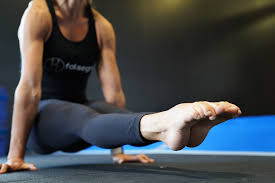
female doing floor leg raisers

Well in this blog I’ll show you how you can achieve those nice elongated legs up in the air!

Holding your legs in mid air requires not only muscles & joint flexibility but also muscles strength to be able to prolong the hold without shaking and at the same time making it look elongated and effortless.

In this video I’ll run through a few simple tests to see if length or strength is the limiting factor that prevents you from maintaining straight elongated legs within mid air.


Who knows? You might realise it’s actually both the flexibility & the strength that is limiting you!

Keeping in mind these tips/advice are of general nature and do not take your injuries/history into considerations. If you are experiencing any pain or would like an individualised tailored program to help improve your dancing, I highly recommend you speak to any one of your physiotherapists to guide you through your dance journey.

Here at Capital Physiotherapy, our women’s health physiotherapists are the experts in helping you to fix your issues as well as all the discomfort that comes with it!

We can help you lead a healthier and pain free lifestyle.

Our female physiotherapist will be able to give a full assessment on you and come out with individualised advice/ treatment plan that is tailored for your particular needs.

At Capital Physiotherapy, your initial appointment is 40-60minutes long. This allows our physios to be thorough in their assessment, as well as giving them enough time to give you treatment on the same consultation!

For any physiotherapy related concerns drop us an email info@capitalphysiotherapy.com.au or make an appointment through our booking system!  

You will find us at any of our clinics near you:


Additional Information:

We also provide Telehealth Consultation for your safety and convenience during this pandemic.


What Is Women’s Health Physiotherapy?

What is women’s health physiotherapy?

It remains a mystery to many people what a physiotherapist actually does, let alone a “Women’s Health Physiotherapist

We are constantly asked;

– What exactly is a women’s health physiotherapist?

– Should I see one?

What condition does women’s health physiotherapist see?


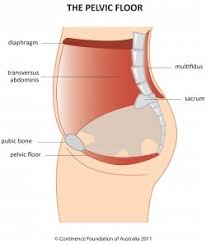
pelvic floor diagram

At Capital Physiotherapy we have female physiotherapist that will be able to treat women’s health related conditions such as:

  • Pregnancy related pain and/ or dysfunction (pre- and post-natal)
  • Abdominal separation (rectus diastasis)
  • Pelvic floor strengthening
  • Caesarean or perineal scar management
  • Pelvic girdle pain/ “pelvic instability”
  • Urinary urgency
  • Neck Pain and Stiffness including and Wry Neck
  • Headaches
  • Back Pain including disc injuries and pinched nerves, Sciatica
  • Wrist pain (carpal tunnel syndrome, de quervain’s tendinitis)
  • Mastitis

Why Consult a Women’s Physiotherapy?

  • Accurate diagnosis
  • Professional treatment
  • Relieve pain
  • Education and advice about injuries/discomfort
  • Recovery from injury
  • Rapid return to work and lifestyle

Treatment Techniques

Depending on your injury and the cause of your injury/discomfort, our therapist will assess and offer a vast array of treatment techniques that will suit you best.

  • Massage Therapy
  • Strengthening
  • Education and Advice
  • Dry Needling
  • Clinical Pilates
  • Electrotherapy
  • Taping

Commonly a women’s health physiotherapist is also involved with developing exercise programs and running exercise classes specifically for women. At Capital Physiotherapy, our female physiotherapists use our additional training and advanced knowledge of the female body to expertly design individual programs that are safe and effective for women of all “ages and stages” who may or may not have pain or dysfunction.

Here at Capital Physiotherapy, our women’s health physiotherapists are the experts in helping you to fix your issues as well as all the discomfort that comes with it!

We can help you lead a healthier and pain free lifestyle.

Our female physiotherapist will be able to give a full assessment on you and come out with individualised advice/ treatment plan that is tailored for your particular needs.

At Capital Physiotherapy, your initial appointment is 40-60minutes long. This allows our physios to be thorough in their assessment, as well as giving them enough time to give you treatment on the same consultation!

For any physiotherapy related concerns drop us an email info@capitalphysiotherapy.com.au or make an appointment through our booking system!  

You will find us at any of our clinics near you:


Additional Information:

We also provide Telehealth Consultation for your safety and convenience during this pandemic.


How To Improve Your Turnout Fast

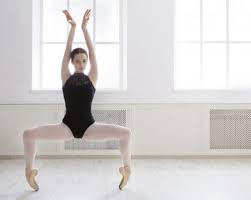
ballerina posing in dance studio

Having trouble with your turn out while dancing?

Does your hip cramp up every time you try to push your turn out?

Have you been stretching heaps but still is struggling with your turn out?

Well stay tuned because in this blog I’ll show you some tips and strategies that will help improve your turn out while dancing.


Holding your turnout requires not only muscles & joint flexibility but also muscles strength to be able to prolong the hold without shaking and at the same time making it look graceful & effortless.

In this video I’ll run through a few simple tests to see if length or strength is your limiting factor that prevents you from maintaining your turn out.

Who knows? You might realise it’s actually both the flexibility & the strength that is limiting you!


close up of ballerinas feet pointing out

Keeping in mind these tips/advice are of general nature and do not take your injuries/history into considerations. If you are experiencing any pain or would like an individualised tailored program to help improve your dancing, I highly recommend you speak to any one of your physiotherapists to guide you through your dance journey.


Here at Capital Physiotherapy, our physiotherapists are the experts in helping you to fix your issues as well as all the discomfort that comes with it!

We can help you lead a healthier and pain free lifestyle.

Our physiotherapist will be able to give a full assessment on you and come out with individualised advice/ treatment plan that is tailored for your particular needs.

At Capital Physiotherapy, your initial appointment is 40-60minutes long. This allows our physios to be thorough in their assessment, as well as giving them enough time to give you treatment on the same consultation!

For any physiotherapy related concerns drop us an email info@capitalphysiotherapy.com.au or make an appointment through our booking system!  

You will find us at any of our clinics near you:


Additional Information:

We also provide Telehealth Consultation for your safety and convenience during this pandemic.


Pointe Workout For Beginners

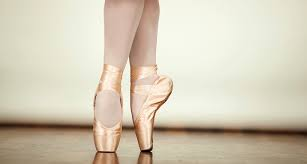
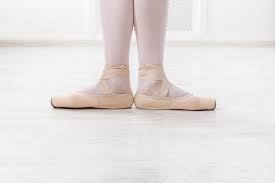
close up on ballerina pointe

Does your  toes get cramp every time you try to point your toes?

Want to have a nicer pointe technique?

Want to point your toes without curling?


Toe cramping or toe curling while pointing are all due to poor technique while pointing your toes.female hanging on silk fabric dance posing

If you are experiencing cramping while dancing it means that you are being overly tense and using the wrong muscles group to actually do the pointing motion same as if your toes are curling it means that you are not using your foot muscles (aka intrinsic muscles) to achieved those beautiful pointe but instead using your long extrinsic muscles to do the movement.

So what is intrinsic muscles and what is extrinsic muscles?

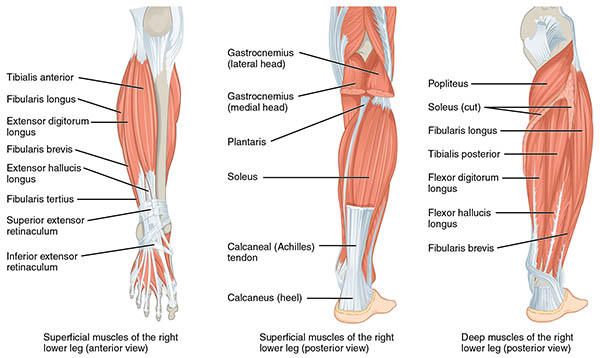
The muscles acting on the foot can be divided into two distinct groups; extrinsic and intrinsic muscles.

The extrinsic muscles arise from the anterior, posterior and lateral compartments of the leg. They are mainly responsible for big movement of your ankle.

lower leg anatomy

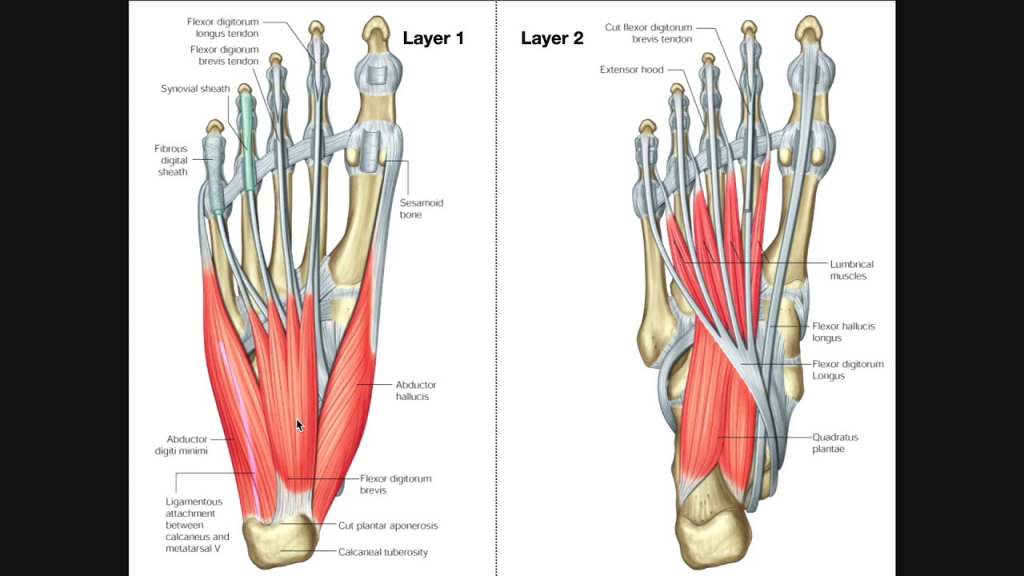
The intrinsic muscles are located within the foot and are responsible for the fine motor actions of the foot mainly balance and arch control.

foot anatomy

Intrinsic muscles are foot muscles that start and finish in your foot and those muscles are vital for anyone who does any kind of performing arts. It will give you stability but also help you achieve a perfect arch on your pointe without injuring your ankle and foot.

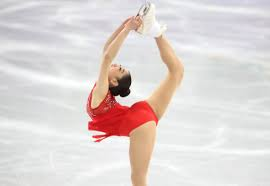
female ice skatingIf your intrinsic muscles are weak, you will end up using your extrinsic muscles.

Using extrinsic muscles to do your pointe will lead to many foot and ankle injuries in the future.

Our feet have exactly almost identical muscles as our hands so technically whatever your hands can do, if we train it well our feet should be able to do as well hence that is why you see people who lose their upper limb are able to do intricate movement with their feet. If you have always worn very supportive shoes most of the time, at home or when you run, you most likely have been neglecting your foot control muscles which are important for balance and manoeuvring the terrain when we run. Hence you rely on your extrinsic muscles to do both the actual dance movement and also the balancing, pointing, arch control. Therefore it is inevitable that they will eventually get overused and get injured. Following this video I’ll show you some exercises that you can do to start engaging your foot control muscles and in turn reduce the load of your extrinsic muscles which will then help improve your overall efficiency of your dancing and reduce your discomfort while pointing.

Keeping in mind these tips/advice are of general nature and do not take your injuries/history into considerations. If you are experiencing any pain or would like an individualised tailored program to help improve your performing arts sports, I highly recommend you speak to any one of your physiotherapists to guide you through your dance journey.

Here at Capital Physiotherapy, our physiotherapists are the experts in helping you to fix your issues as well as all the discomfort that comes with it!

We can help you lead a healthier and pain free lifestyle.

Our physiotherapist will be able to give a full assessment on you and come out with individualised advice/ treatment plan that is tailored for your particular needs.

For any physiotherapy related concerns drop us an email info@capitalphysiotherapy.com.au or make an appointment through our booking system!  

You will find us at any of our clinics near you:


Additional Information:

We also provide Telehealth Consultation for your safety and convenience during this pandemic.