Blog

Sports Physiotherapy: Pros and Cons of Bracing and Taping

Professional athletes and everyday recreational sportsmen are often out of action when injuries happen.  Bracing and taping are great tools to assist recovery of the damaged structures, or to support movement in certain positions so we can continue to exercise.  Some also use them as an injury prevention measure. There is an extensive variety of braces and many different taping techniques sports physios use. Let’s have a look at the pros and cons you know when to use either of these tools.

Bracing

Bracing is an external device applied to a joint by restricting movement and hence stabilising the joint.  It comes in different sizes. A well-fitted brace can reduce pain by keeping the injured structures out of the painful range of motion. There are also different materials of braces available depending on the stability required: the fabric ones are softer, permitting more movement while the other ones are more rigid.   

Pros
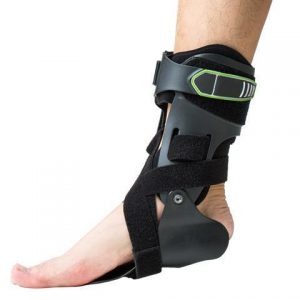
  • Easy application and removal
  • Re-usable and cost effective
  • Provides significant support for return to play/ assist recovery/ pain relief

Cons

  • Requires regular cleaning especially when being worn for long hours
  • Bulky when compared to taping, especially for larger joints
  • Long term application can result in muscle weakness when injured structures rely on braces for stability

Taping

There are broadly two types of tape that are widely used by sports physio: rigid and kinesio tape.  Rigid tape, as the name suggests, enhances rigidity of joints. It stabilises joints by being applied to weakened injured structures such as a sprained ligament.  Kinesiotape is stretchy and it facilitates muscle movement to rehabilitate for injuries.

Pros
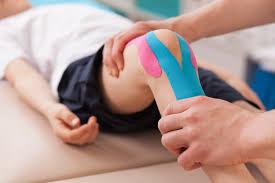
  • Not as bulky as braces and is easier to move around/ play sports with
  • Cheaper than braces
  • No sizing required and gives very customised fit to provide optimal support when applied appropriately
  • Kinesiotape tape can facilitate muscle activation

Cons

  • Material and glue may irritate skin
  • Needs frequent re-application if long term support is required
  • Non-reusable therefore if required for long term can be costly
  • Requires someone else (e.g. a sports physio) to apply for you (unless you have practised a dozen times although will still be awkward)
  • Can be painful to remove and may leave glue marks (and hairless patches for the hairy ones)

If you suffer from any acute or old injuries and would like to explore the options of taping or bracing to get yourself active and moving, feel free to contact our friendly team at Capital Physiotherapy.

Want to know more about Melanie – Our Hawthorn Physiotherapist?

capital physiotherapy hawthorn clinic's physiotherapist Melanie Lim profile shotMeet Melanie Lim, a Bachelor of Physiotherapy Graduate from the University of Melbourne. She has gained a wealth of clinical experience through both public and private systems during her undergraduate studies to be here today at Capital Physiotherapy’s Hawthorn Physio clinic.

At the Hawthorn physio clinic, Capital Physiotherapy offer bulk billing for their patients. Get in contact with Melanie today and book an appointment for a one on one session with her!She has completed advance training to specialise in a range of physical therapy treatments such as sport, dance, pre and postnatal, and dry needling. With a keen interest in treating and educating her clients (and YouTube audience), she aims to create custom pain treatment management plans for the Hawthorn community, and Melbourne at large.


Additional Information:

We also provide Telehealth Consultation for your safety and convenience during this pandemic.

Keeping in mind these tips/advice are of general nature and do not take your injuries/history into considerations. If you are experiencing any pain or would like an individualised tailored program to help improve your dancing, I highly recommend you speak to any one of your physiotherapists to guide you through your rehab journey.

Here at Capital Physiotherapy, our women’s health physiotherapists are the experts in helping you to fix your issues as well as all the discomfort that comes with it!

We can help you lead a healthier and pain free lifestyle.

Our physiotherapist will be able to give a full assessment on you and come out with individualised advice/ treatment plan that is tailored for your particular needs.

At Capital Physiotherapy, your initial appointment is 40-60minutes long. This allows our physios to be thorough in their assessment, as well as giving them enough time to give you treatment on the same consultation!

For any physiotherapy related concerns drop us an email info@capitalphysiotherapy.com.au 

Our Physiotherapy Clinics in Melbourne

When To Ice And Heat

When to use Ice vs Heat

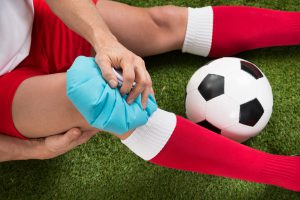
Are you suffering from an injury and wonder if ice or heat can help?  When used properly, ice and heat can be therapeutic modalities that are easily accessible by all of us. A general rule is that ICE is for any injuries that are fresh, red, swollen and hot whilst HEAT is for anything chronic, stiff and achy.

Ice

Acute injuries such as a contusion (or more commonly known as a corky), a rolled ankle or a fracture generally elicits a cascade of inflammatory response.  Inflammation is our body’s natural mechanism to protect and repair, by bringing extra blood flow (hence the swelling) and sensitising the pain to stop you from using that injured structure.  Excessive inflammation, however, increases pain and reduces mobility. Ice calms down the inflammatory response by controlling the swelling and numbing the pain. Sports physios also use ice for muscle soreness post-exercises/ post-sports for pain relief.

Heat

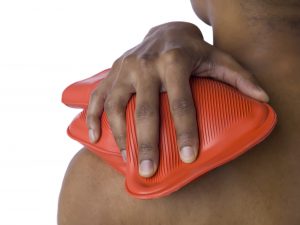
As you may be able to picture, if heat is applied to a freshly rolled ankle, it will only bring more blood flow and make a balloon out of an already swollen ankle.  The therapeutic properties of heat to encourage circulation and relax muscles make it useful for chronic pain. Athletes with tight muscles, or any structures with tension in it find it improves elasticity of soft tissue.  It also has good pain-relieving effect on arthritic joints which is beneficial in the more senior population.

In short, use ice on anything that looks fresh and angry but heat for more long term painful structure,

If you need to see a sports physio for any advice regarding your injury or sports performance.  Feel free to contact Capital Physiotherapy, our friendly physios are more than happy to help!

Sports Physio – When do I Stretch, Before or After Exercising?

Stretches improves flexibility, which is an essential component of movement and exercises. But should we stretch before or after a workout? The short answer is to do stretch before AND after activities. Meanwhile, we shall think a little more about WHAT stretches to do and WHY.

Our bodies require flexibility for movement to occur efficiently.  Imagine wearing super tight jeans when you have to chase after a bus.  The jeans are limiting your range of motion and hence no matter how hard you try to take big strides you won’t go too far too fast.  Having flexibility means that your muscles can work more efficiently during sports or exercises.

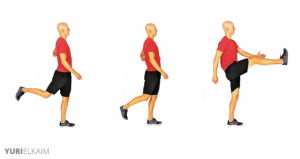
Amongst the many different ways to stretch, static and dynamic ones are the most commonly used. Take our hamstring muscles as an example. To perform a dynamic stretch, we swing the leg back and forth across the entire available range of motion.

Dynamic stretch has been shown to improve muscle power, sprints and jumps when performed prior to exercises. It is therefore a good idea to include dynamic stretches in your warm up to prime for sports performance.

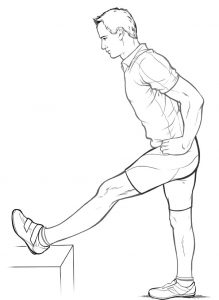
On the other hand, a static stretch is to hold the muscle in a lengthened position for 30seconds.

Static stretch is great as part of the cool down post sports or workout in order to maintain or increase flexibility.


For more ideas of stretching, have a look at this sports physio video (https://youtu.be/HNeTehBImAs) on Capital Physiotherapy YouTube channel. Or if you have any questions, feel free to ask our team at Capital physiotherapy, South Yarra.

The Proper Lunge Technique

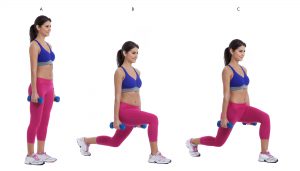
Lunges, like squats are one of the best exercises you can do in the gym too. It’s another exercise that can effectively work on more than one area of your body. An effective exercise means your body will gain the most out of it, so you can reach your goal quicker! However, just like an improperly done squat, the wrong technique will cause you injury and future issues in the knees. It is important that you scrutinise your technique and concentrate on the quality of your lunge.

Not only are lunges great for your body, but they are easily done anywhere you’d like to exercise. You may see lunges done out in the park during boot camps (*shivers*). You may also see them done in the gym; you can be creative and use the different weights and bars to increase the intensity of your lunge routine. I personally like to do the lunge at the comfort of your own home. It’s an easy exercise that your body will thank you for!

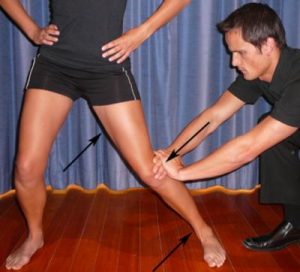
The most important factor while doing lunges are to make sure your knees are positioned correctly throughout the movement. This means:

  1. Your knees do not move past your toes at the front
  2. Your knees do not move rotate inwards
  3. You keep your body nice and upright

By making sure you follow the above rules, you reduce the chance of any wear and tear around your knee caps as well as reducing any issues that arise due to improper technique. By having your knees moving in the correct way, your knee caps are able to distribute the force much more evenly around its surface area; this reduces stress building up on only one area of the knee cap.

In addition, by doing the exercise correctly, you will gain the most out of your lunge. Correct technique allows your muscles to function at its most effective; which means you can progress yourself and get stronger quicker!

Make sure you have a chat with one of our physios to get the most out of your routine!

De quervain’s Tenosynovitis

De Qeuervain’s Tenosynovitis is a painful condition that affects the tendons on the side of your thumb and wrist. This condition affects two tendons (Abductor Pollicis Longus and the Extensor Pollicis brevis) that arises from your forearm. These two tendons are very close together and they pass through a structure called the synovium before inserting at the base of the thumb.

This type of injury usually occurs due to several factors, one of which is repetitive movement. This can be seen when you use a mouse or a pen for a prolonged period of time, as well as the use of a screwdriver or hammering. Another common time this occurs is during and after pregnancies in women. This could be related to the lifting technique of the new born, as well as the usually quick gains in weight. This increase in pressure puts stress along the tendons, causing the pains.

Pain is generally quite general and achy in nature at the start. However, ongoing physical activity will result in the pain becoming sharper and localised on the side of your wrist (thumb side). Some swelling may also be observed.

It is imperative that you get your wrist looked after if you suspect a De Quervain’s Tenosynovitis. Prolonged use of the injured area will result in further aggravation and potentially may require surgical intervention. When caught early, conservative treatment would usually suffice. There are multiple ways that our physios at Capital Physiotherapy can look after you.

Depending on the person, treatment may include a combination of friction massage, electrotherapy, taping as well as exercises. Dry needling may also be done. The specific advice will differ per person, and at Capital Physiotherapy, we are well equipped to fully assess your specific situation to give you a tailored treatment program.

So don’t wait any longer, give Capital Physiotherapy a call and we will get you back to your best again!

Osgood-Schlatter Syndrome

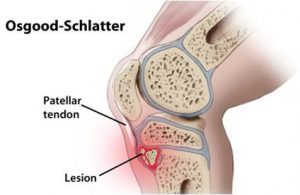
Osgood-Schlatter Syndrome usually occurs in children and would normally affects both knees. This can be classified as ‘growing pains’. The pain is usually located at the tibia tuberosity (the bump in the tibia) and can be very sensitive to touch. These tend to occur when the child is undergoing a growth spurt, as well as an intense period of exercise; specifically: soccer, basketball and ballet. Traditionally speaking, there are more boys being affected by this syndrome; however the gender gap is narrowing as more girls participates in sports.

Ongoing activity, without appropriate management by a physio, may result in an avulsion fracture, whereby a piece of bone is torn away from the main bone. In this case, a splint may be ordered to allow the fracture to union.

Osgood-Schlatter is normally treated conservatively when caught quite early. Physiotherapy is usually recommended to help guide rehabilitation. Treatment would involve reducing tight muscles in the quadriceps, hamstrings and gastrocnemius muscles; as well as some strengthening exercises. Taping may also help.

Physiotherapists can also liaise with your child’s coaches so that they can continue to train, but minimizing any activities that may aggravate the syndrome. This is important as stopping their training will stunt their skills growth. Stopping training will also result in muscle atrophy and tightness developing as you ‘wait’ until the pain goes away. This may then create a domino effect and result in other issues in the near future.

Our physiotherapists at Capital Physiotherapy are well experienced dealing with Osgood-Schlatter Syndrome. Not only are they qualified to assess the functioning of your child’s knee joint; but they also have experience working with different sports clubs. This means they are well placed to not just treat your child, but communicate with other stakeholders to ensure your child gets the best care they deserve. This holistic care is important for your child’s wellbeing and Capital Physiotherapy will deliver.

So don’t hesitate to contact us at Capital Physiotherapy and we will get your child back to their best!

Muscular Imbalance Causing Knee Pains

I have seen many people reporting of knee pains. Some who had a sporting incident, resulting in a traumatic damage to the knee; while others have been a gradual progression of knee pain. Initially the pain is described as mild, an annoying ache. With ongoing aggravation, the pain progresses in a sharper type, where it can eventually stop people from doing their daily activities. With these gradual progression type of pain, it is important that the knee is looked after quickly so that further aggravation and worsening of symptoms can be avoided.

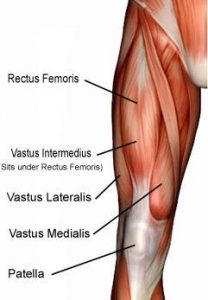
The quadriceps muscles are made up of 3 main group of muscles. The first in the Vastus Lateralis; the second is the Vastus Intermedialis and the third is the Vastus Medialis Oblique. Each of these muscles attaches onto the patella and has its own direction of pull. The VL pulls the knee cap laterally (to the outside), while the VI pulls the knee cap directly upwards. The VMO, meanwhile, pulls the patella medially (to the inside).
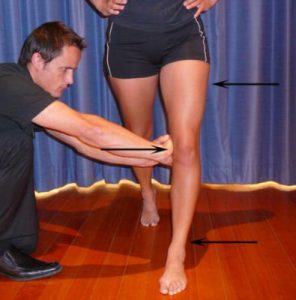
Each of these muscles will interact in such a way that the knee cap is pulled directly up along the patellar groove. By keeping the knee cap moving smoothly along this groove, you can minimise the pressure around the knee cap.

As you can imagine, any issues with the quadriceps, will result in this finely tuned movement of the knee cap to be disturbed, causing issues in the future.

Improper training, could potentially result in the VL being overworked and getting much stronger than the VMO. You can see this when someone does a squat or a lunge and their knees are moving sideways. This results in an imbalance of the patella as it move up and down along the patella groove. The result of this would be increased friction along one side of the patella which will gradually become increasingly worsening knee pain.

Injuries to the knee will also affect the movement of the patella. The more significant and frequent injuries you have in the knee, the more your VMO becomes less activated. This will have the same impact as the above scenario over time; mainly a gradual worsening of pain; as well as wear and tear along your knee cap.

It is therefore imperative that you get your knee pain looked at as soon as you can. Further postponement as well as ongoing aggravation will result in worsening of your symptoms and finally preventing you from doing your exercises.

Come to our physios at Capital Physiotherapy. Our appointments are strictly 1-on-1 and we provide longer than industry standard appointments to truly understand, not just your body, but your exercise routine as well as a multitude of other factors that can affect you. It is only with a great understanding of your situation will you achieve the outcome you deserve.

So don’t wait any longer and call us now!

MCL and LCL injury

Other important ligaments in your knees are your Medical Collateral Ligament and the Lateral Collateral Ligament. These, along with the rest of the ligaments, work together to provide stability in the knee joint. The MCL, originates from the inside part of your femur (thigh) and attaches to the inside part of your tibia (leg). The LCL, on the other hand, originates from the outside part of your femur and attaches to the outside part of your tibia.


The MCL is important in providing stability in your knee, so that it does not bend inwards. Injuries to this ligament could be due to a prolonged stress on the MCL, such as during skiing. It can also be injured due to a traumatic incident, whereby you are tackled from the outside.


The LCL, meanwhile, is important in providing stability in your knee, so that it does not bend outwards. Injuries to this ligament are usually due to a traumatic incident, whereby you are tackled from the inside.


There are 3 grades of ligament tears:

  1. Grade 1=a small tear resulting in some pain but still allowing almost full function
  2. Grade 2=a moderate-significant amount of tear, causing significant pain and reduction in function
  3. Grade 3=a complete tear of the ligament, resulting in pain, instability as well as minimal function. A grade 3 tear may also involve damages on other structures as well.

It is important that after a knee injury and if you suspect an MCL or LCL tear, that you seek physiotherapy help as soon as you can. Our physios at Capital Physiotherapy are well trained to diagnose as well as clear other structures in the knee of any involvement in the injury. Your appointment is spent 1-on-1 for the duration of the session to ensure you get the most out of your physio. A treatment plan will be provided to you so that you have a clear understanding of what needs to be done to get you back doing what you do best!

Don’t hesitate to contact us at Capital Physiotherapy!

Patella Tendinopathy

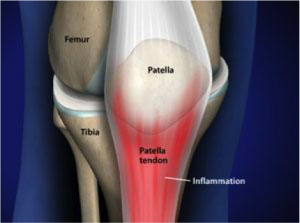
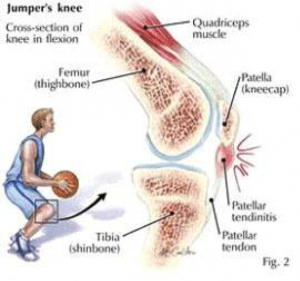
A lot of people come into our rooms at Capital Physiotherapy with knee pains. Specifically, pain around the front of their knees. There are a few structures in this area of the knee, but we will be discussing about the patella tendon. The tendon is a part of the quadriceps muscle. The quads originates from the pelvis and inserts into the upper part of the patella. From here, the patella tendon starts and finishes at the ischial tuberosity, located in the tibia (lower leg).

The patella tendon is important as it is part of a pulley system for the quadriceps muscle. This adds leverage and consequently power to the quadriceps muscle. This will allow you to do intensive activities, such as jumping and sprinting. In saying this, you can imagine how much stress is placed on the tendon! In fact, the most common cause of patella tendinopathy are jumping and sprinting based sports.

This stress can cause issues in the tendon which will then lead to pain and subsequently, reduction in your activities! When stress is placed on a tendon, there are some micro tears, which heals when you look after the body. However, if you continually place the load on your tendon over a prolonged period of time, there is more aggravation than healing; resulting in pain. 

Usually, people will come in not knowing what’s causing the pain in their knees. This is because the pain would only come gradually. The pain would initially be described as an ache, but as physical activity continues, the pain becomes sharper, until finally you have to stop your sport.

Our physios at Capital Physiotherapy are well experienced with knee pains. While it’s important to get rid of the pain so that you can go back to your physical activity, what is equally important is finding the exact cause of the problem in the first place. During your consultation, our physio will spend their time 1-on-1 with you, to make sure they understand not just your body, but your training routine. They will develop a treatment plan that will not only get you pain-free, but also ensuring you do not have the same problem again.

So don’t hesitate, and get that knee looked after now. The sooner you get the knee looked after by our physios at Capital Physiotherapy, the better your prognosis and the quicker you’ll get back to your game!

PCL injury

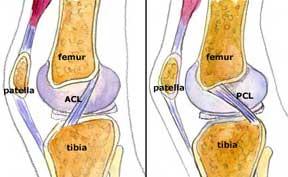
We’ve talked about the ACL, now we come upon its equally important cousin, the Posterior Cruciate Ligament (PCL). Like the rest of the knee ligaments, the PCL works with them all to provide stability within the knee joint. It originates from the anterior (front) part of the femur and attaches to the posterior (back) part of the tibia. The ACL, as mentioned previously, originates form the posterior part of the femur and attaches to the anterior part of the tibia.

The PCL is important in ensuring stability within the joint by stopping the posterior movement of the tibia in respect of the femur.

Injury to the PCL is less common than an ACL injury. PCL tears are usually due to direct blows to a bent knee. This could be when you have an accident and your knee receives a direct blow from the dashboard. You may also be tackled in certain ball sports, while having your knees bent. Another common method is through extreme hyperextension.

Regardless of the cause, it is imperative that you get your injured knee looked at by a trusted physiotherapist. Prolonged sport activity is usually impossible due to pain as well as instability within the knee. Patients would normally report of a poorly localized posterior pain that is deep within the joint. Depending on the severity of the injury, your rehabilitation will differ. Conservative management is usually done before surgical intervention is advised. However, please talk to your physio before you make your next move.

Our physios at Capital Physiotherapy will ensure that you are looked after from the start. This means making sure we not only confirm a PCL tear, but also rule out other injuries. We will also provide a treatment plan that will include the goal of you going back to your chosen sport. This plan will include what we need to do, what exercises you require and many more important details to get you back to your best. By getting your injured knee early, you will have the best outcome quickly!

If you have any questions, please do not hesitate to contact us and we would love to be a part of your journey back living your life the way you want it to be!