Blog

Physiotherapy and Common Injuries in Mixed Martial Arts

With the conclusion of UFC 234, Melbourne is experiencing a spike in interests the world of mixed martial arts. Although the sport has been around for decades, fighting athletes like Conor McGregor, Rona Ramsay and Robert Whittaker has increased attention towards mixed martial arts and attracted new participants to this full contact pastime.

When you just starting mixed martial arts training, hitting the mitts and learning submissions can feel great. The rush of adrenaline when landing a shot on your partner or making them tap out is a real thriller. All the fun aside, you should probably note there are injuries associated with this sport.

The goal of any fighting sport is to knock the other person out or make them tap. That being said, receiving kicks and punches can result in collisions type injuries. If you aren’t use to striking, there is also a risk that you can injure your own arm and leg. This can include:

  • Concussions: commonly associated with receiving a heavy strike to the head from kicks, punches or thrown directly to the head
  • Contusions: bruising that commonly occur when you get hit in any part of your body either from a direct strike or blocking a strike
  • Dislocation and Subluxation: occur usually when the joint of the body is being taken past its end range of motion ie. during an armbar
  • Fractures: generally occur as a result from a high impact strike to anywhere of the body with less muscle protection, for example the shin and arm
  • Muscle strains: occur anywhere in the body if that particular area have not been conditioned enough to withstand the activity ie. quadriceps strain
  • Ligament sprains: typically occur when you are fatigued and similar forgot to brace for a movement like a kick. Ligament injury is also common during dislocation or subluxation. 

If you do run into trouble with these injuries, a physiotherapist can help identify which structures have been injured and create an individualized rehabilitation program to get you back to hitting mitts. At Capital Physiotherapy, we have experienced physiotherapist with various sporting and martial arts backgrounds that can thoroughly assess your condition and help you return to doing what you love.

You can find us at South Yarra, Hawthorn (Formerly at Balwyn) and Footscray. Drop by or email us at info@capitalphysiotherapy.com.au or contact us at 0401 865 333 if you’ve got anything discomfort or just want to improve your performance!

High Heels: How Are They Evils To Your Body And How Can Physiotherapy Help?

Many ladies love to put on a few inches on the heels for some extra glam to their look.  Elevating our heels by a few inches changes the whole biomechanics of being upright bipedals and may cost your body the price of that glam.  Here are a few of those price tags and some tricks to help from our physiotherapists at Capital physiotherapy.

1. Forefoot pain

Being on high heels shifts the centre of gravity forward.  The normal load transfer from the heel, side of foot, ball of the foot then to the big toe; is disrupted.  Instead, it puts pressure focally on the forefoot throughout the stance phase of our gait. As our forefoot is not designed to be solely taking our full body weight, it then can be overload and sore overtime.  This is worse when the heels are closed and pointed, where the shoe is too narrow for the forefoot to spread out sideways. The little muscles in the forefoot that react to loading for balance are not in the position to control the weight acceptance process.

2. Calf pain

In every gait cycle, the calf muscles lengthen when the heel strikes to store energy and shorten as we push off.  High heels keep calf muscles in a shortened position and make it difficult for the calf muscles to do its job in propelling us forward.  This can then result in tightness and fatigue in the muscles and eventually pain.

3. Knee pain

The forward shifting of the centre of gravity does not only affect the forefoot but it also puts a lot of extra loading on the knee cap.  It can cause problems with mal-tracking of the knee cap or painful knee joint simply from overloading.

4. Lower back pain

Another consequence of the anterior shift of the centre of gravity is the excessive lower back extension (arch back) in an attempt to balance our upper body on the legs.  Such posture changes how our body weight is distributed on the spine and can aggravate lower back pain.

Here are a few tips to look after your body when you wear high heels:

  1. Have frequent timeouts when wearing them.  Have a sit to stretch out your forefoot and wriggle your toes when you can.
  2. Minimise time of wearing them. For example, if you have to wear them at work. Consider wearing supportive flat footwear when getting to and from work, and only put the heels on when needed.
  3. If possible – wear lower heels instead of high heels. The amount of load on the forefoot is proportional to the height of the heels.
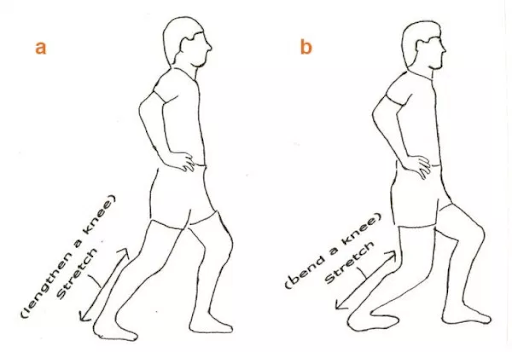
  4. Do frequent calf stretches (with barefoot not with heels on) – hold for 30secs in each of these positions on each side 3 times a day.

If you are experiencing any pain from wearing high heels.  Feel free to contact Capital Physiotherapy us at 0401 865 333 or email us at info@capitalphysiotherapy.com.au to speak with our friendly physiotherapists.


How Does Physiotherapy Prevent Common Figure Skating Injuries?

The moment a figure skater steps onto the ice, there is one dream they have in mind. Any true figure skater wants to be able to land that double salchow, that triple lutz, or the ever elusive quadruple jumps. 

Figure skating is both a highly technical sport and an art form. Not only does it involves strength, balance, control and coordination, figure skaters are require to perform with grace and elegance.

Figure skaters put their bodies through a tremendous stress.  Whether it is through their knee, hip, ankle or lower back; figure skaters know one principle in their everyday lives and that is “Practice makes perfect.”  This sport is all about repetitions.

Here are some of the most common injuries that we see for figure skaters/ Ice dancers:

  • Patellofemoral Pain Syndrome + Jumpers Knee
  • Ankle Sprains
  • Shoulder Tendinopathy
  • Disc Bulge
  • Spondylolithesis
  • Hip tendinopathy
  • Pubic symphysis dysfunction

Figure skaters need to be conditioned not only on the ice, but off the ice as well.  Conditioning program off ice is equally important as on-ice training. Plyometric exercises, agility and dynamic stretches are vital for this sport.

At Capital Physiotherapy, our physiotherapists are trained to identify the most common injuries that comes with this sport and give conditioning program that not only treat the injured area but also strengthen our figure skaters so that we could ensure athletic longevity of the sport that they love.

We focus on the control of the hip, core, back and ankle to help ice dancers and/or figure skaters achieved their ultimate goal for this sport.

Some of the common training that we give for our figure skaters are as follow:

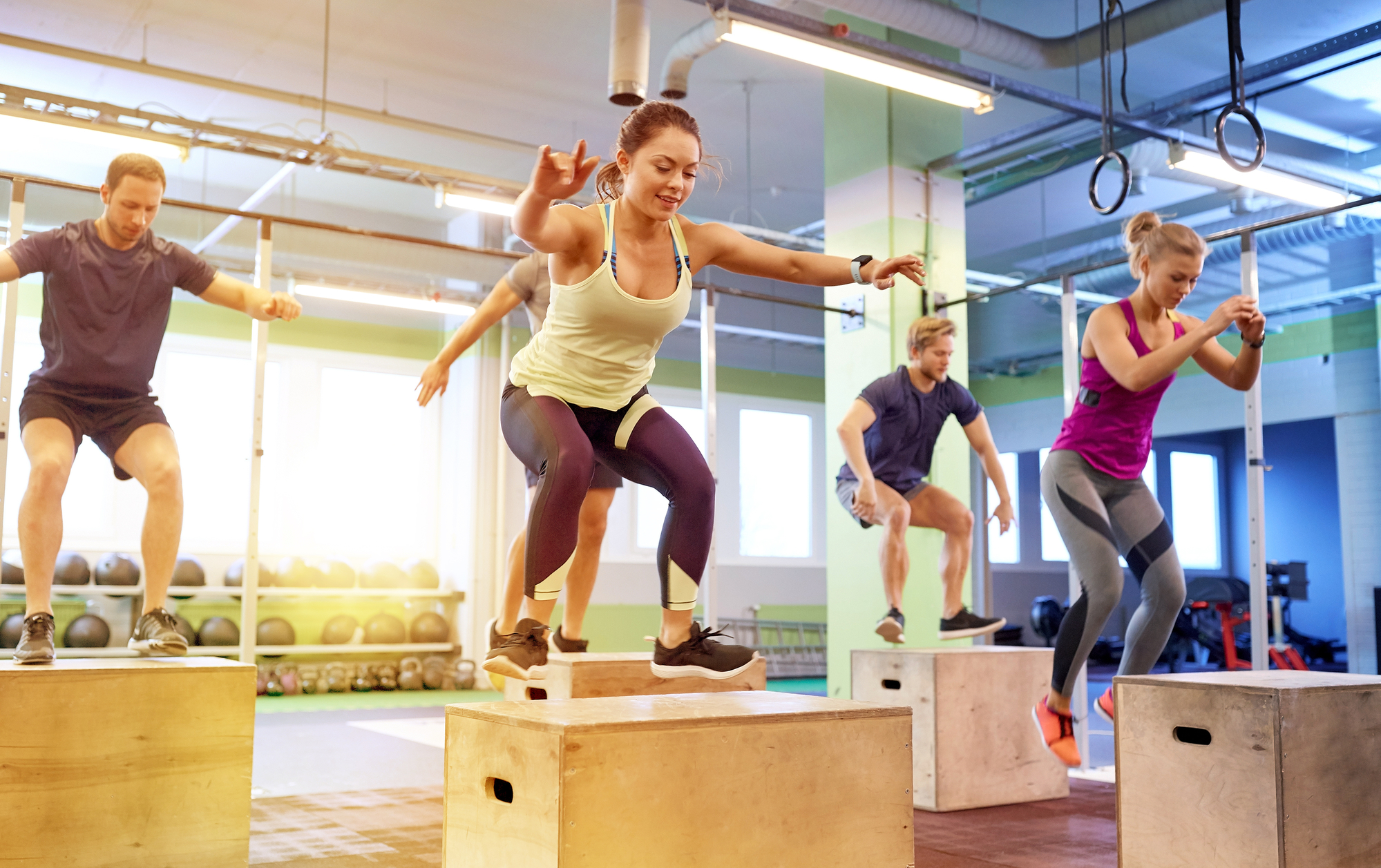
Box Jump:

Box jumps build explosive power to the figure skater’s legs and is vital of any jumps. Not only does it increase their leg strength but it also help with them with their overall balance and coordination for this sport.

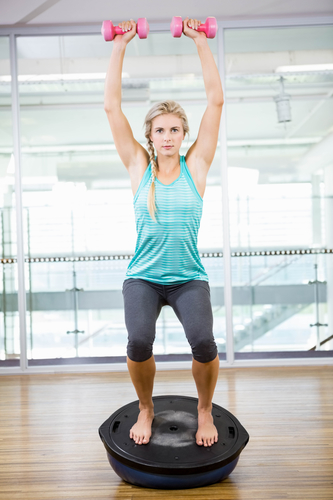
Bosu Arabesque:

Bosu Arabesque helps figure skaters with balance and control for their core and at the same time improve their static strength for their glutes, core and back extensors. This exercise will help skaters improve their efficiency on ice which in turn improve their performance by making the movement looks effortless on ice.

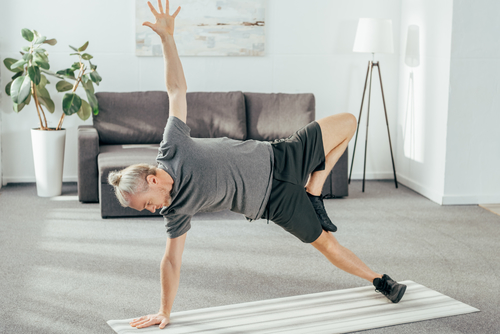
Adductor Plank:

Adductor plank is also one of the more common exercises that we give our skaters as it helps with their core strength and hip adductor strength. This will help with the skater overall alignment when they are skating and help improve their balance and give their movement a graceful appearance.

The above are just a brief overview of how our physiotherapists in Capital Physiotherapy can help you to improve your skating skills and overall performance.

Whether it’s your loop, flip, lutz, salchow or axel and/or whether it’s your scratch, one foot, sit, camel, attitude, layback, flying camel or Bielmann spin. At Capital Physiotherapy, we are the movement specialist and we can help you get there

We work closely with your coaches to help you achieved your highest level of skills and performance because your wellness is our pride!

If you do experience any aches and/or discomfort or if you simply wants to improve your skating skills please do not hesitate to contact us at 0401 865 333 or email us at info@capitalphysiotherapy.com.au.


Physiotherapy and Post Transport Accidents (TAC)

As physiotherapists, we play an important role in helping our clients recover from their transport accident injuries.

We see a range of injuries from TAC:

  • Fractures
  • Head injuries
  • Whiplash
  • Spinal injuries
  • Post-surgery complications

We understand that it can be traumatic period for our clients and in Capital Physiotherapy, our therapists take a holistic approach to not just treat our client’s body parts but treating them as a human being, understanding their traumatic experience and how it may impact their daily activities and living.

We strive to achieve optimal recovery at the shortest time possible.

All our physiotherapist are well trained with post traumatic injuries. We provide a whole range of in-room services including dry needling, massage, and manipulation and also out of the room rehabilitation, for strength, flexibility, gait re-education and many more. We provide a range of individualise rehabilitation program and equipment, to help our clients get back their wellness and start enjoying their lives again!

We believe in early intervention to maximise return to work and health outcomes.

We are a fully bulk bill clinic for ALL TAC clients which means there will be NO OUT OF POCKET FEE for any of the TAC clients with both the physiotherapy sessions and equipment needed to for their rehab.

If you are under TAC and require physiotherapy attention, please do not hesitate to contact us at  0401 865 333 or email us at info@capitalphysiotherapy.com.au.

Physios Guide To Begin A Gym Program For The New Year

It’s a brand new year, and you’ve vowed to sign up at a the local gym or join your friend who has been nagging you about starting F45 (and actually attend regularly).

But if you’ve never been a member of the gym or F45 (or any training group) it can be a confusing and intimidating place and therefore you bow out before even setting foot in the door for the first time. Lets get you started!!!

Now before you do undertake any fitness program especially as a newbie I highly recommend consulting a health professional such as a physiotherapist (physio).

Physios can help you get started by designing exercise programs which suit your personal capabilities/limitations.

An assessment by one of our skilled physio’s here at Capital Physiotherapy will provide you with a safe and effective program. This assessment will make sure you don’t injure yourself at the gym by going too hard or improper technique.

Our physiotherapists can also help with DOMS (delayed onset muscle soreness). Without a doubt you will experience this. Delayed onset muscle soreness (DOMS) is the pain and stiffness felt in muscles several hours to days after unaccustomed exercise. The soreness is felt most strongly 24 to 72 hours after the exercise. There is evidence that massage post exercise reduces DOMS.

Gym Do’s and Don’ts

  • Don’t be a hero and try and lift too much – you will either injure yourself or be so sore from DOMS you will never want to return. Leave your ego at the door.
  • Do go in with a plan (a proper program and diet)
  • Don’t have unrealistic expectations (you will not be an ADONIS in 2 weeks) good things take time.
  • Do return your weights once you have finished
  • Don’t drop your weights
  • Do wear deoderant (no one likes a smelly person working out next to them)
  • And finally enjoy yourself you are embarking on a life changing journey.

If you would like a consult with one of our physiotherapists give us a call or use the online booking service.

Pole Dancing and Physiotherapy

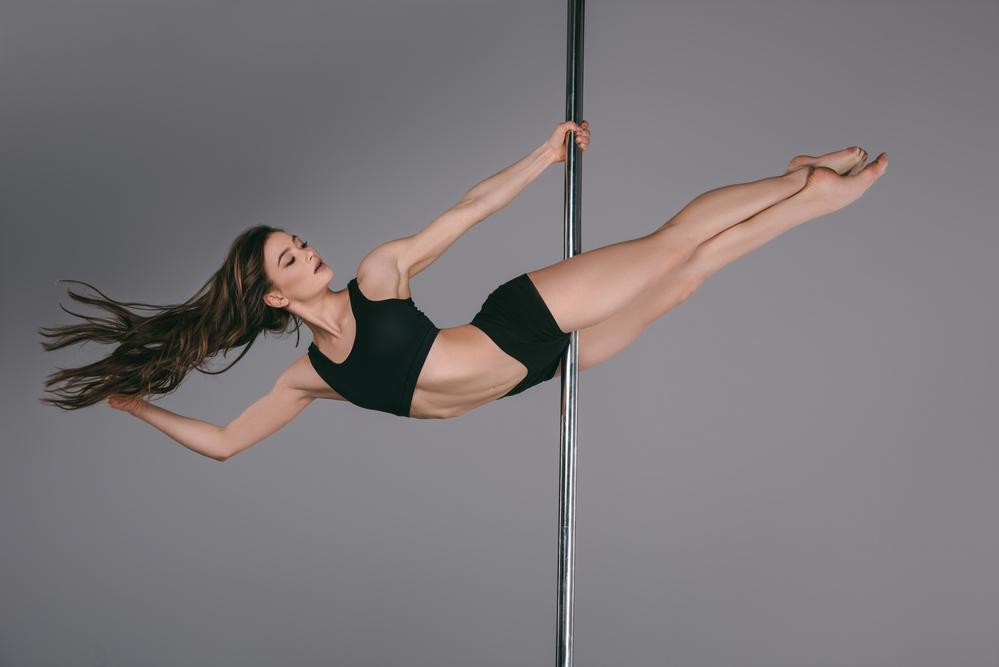
We have talked about how dancing imposes completely different demands on the body compared to many other sports. Pole dancing, in particular, requires very specific set of skills that can create injuries to beginners and can be common cause of overuse injuries if the body is not conditioned well for it.

 These specific skills include:

  • Supporting body weight dynamically (e.g. when your body is moving) on your hands and wrist over minimal support on the pole
  • Significant core control to allow flow of arm and legs movement while holding body in the air (very often upside down as well)
  • Remarkable flexibility and the ability to control it at the end range of motion
  • Good mobility in mid back and lower back for great form in all those rolls and arches.
  • Coordination and balance over little contact on the pole
  • Great body awareness to understand body form presentation in the mid-air
  • Endurance in grips to allow you to flow from one trick to another and to the next and more
  • Good grippy skin for mounts and stability (you know what I mean if you do pole dance)

Physiotherapists at Capital Physiotherapy have sporting and dancing background themselves and therefore have a thorough understanding on dance related injuries.  Our therapists also strongly believe in strength and conditioning not only to prevent injuries but also improve the overall efficiency of how the dancers move during pole dancing.  

At Capital Physiotherapy, we provide a number of services that can complement your pole dance journey:

  • Rehabilitation program specific to pole dancing to assist your return to dance journey
  • Flexibility program to improve your splits, body arches and flow
  • Clinical Pilates program customized to you, targeting the areas that require a tune up in control and strengthening
  • Strength and conditioning to ensure your transition between tricks look effortlessly smooth

It is our pride that you are performing at your optimal potential in this dance and sport.  We can help you with improving your inverts, splits, climbs, body rolls, mounts, handstands and many more.

If you do experience any aches and discomfort or if you simply wants to improve your dancing skills please do not hesitate to contact us on 0401 865 333 or email us at info@capitalphysiotherapy.com.au.

 We look forward to working with you in improving your dancing and fitness!

Can I Still Dance? Common Dancer Foot Injuries and How Physiotherapy Can Help

Pain at the back of the ankle is one of the most common complaints we see in dancers. Most Physiotherapists will misdiagnose it as Achilles tendinopathy. However, that is not true for most dancers.

At Capital Physiotherapy, our therapists are all trained to efficiently and accurately diagnose posterior ankle pain injuries for dancers.

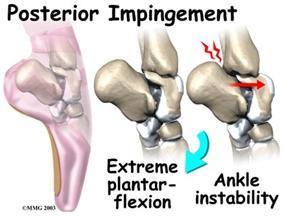
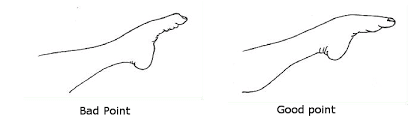
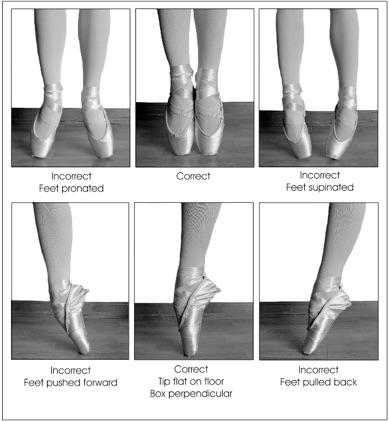
The “Pointe Position” that is an essential movement for many different types of dance, especially ballet, this position gives a nice elongation and alignment to the dancer’s legs. However, this position requires an extreme range of motion at the ankle and it also creates a high compressive force to the back of the dancer’s ankle. This position is not a “normal” position for our ankle to be in.

If done repetitively and incorrectly over time, it creates inflammation and swelling at the back of the dancer’s ankle. The back of the ankle is a pathway for many tendons, ligaments, nerve and blood supply to pass through to our foot. If the tendons that run through the back of the ankle get swollen/ inflamed, they take up more room than usual, which in turn compresses the back of the ankle even more leading to a syndrome which is known as the posterior ankle impingement.

Sign and symptoms that most dancer’s complaints are as followed:

  • Pain felt in the back of the ankle usually with full plantar flexion (pointing) of the ankle 
  • Pain with demi pointe and pointe work 
  • Left untreated the pain can start even with normal walking
  • Swelling at the back of the ankle 
  • Referred pain can be felt in the calf or foot

This particular injury is normally caused by overused or poor technique during dancing. Most dancers who suffer from this injury will complain of the ankle pain happening over a gradual period of timeframe and the pain get worse when left untreated. There are no specific trauma or injuries that they could recall of which leads to this issues.

Our physiotherapists will assess the ankle and take a holistic approach to find out what might be the underlying causes for the injuries. We look at all possible contributing factors that could lead to the development of dancer’s injuries. This not only allows our dancers to recover from their injuries but also perform at their optimal potential at the shortest time possible. We firmly believe the power of educating our dancers, allowing them to understand the underlying causes of the injuries to help them improve and also prevent future injuries.

At Capital Physiotherapy, we are the dance physio specialist and we can help you get to your goal. We work closely with your coaches to help you achieved your highest level of skills and performance because your wellness is our pride!

If you do experience any aches and discomfort or if you simply wants to improve your dancing skills please do not hesitate to contact us on 0401 865 333 or email us at info@capitalphysiotherapy.com.au.

Pregnancy and Physiotherapy

Women go through a lot of changes in their bodies during and after pregnancy. The hormonal and biomechanical changes can increase load on the pelvic floor muscles, abdominal muscles as well as lower back structures. Such increase load, when not managed, can result in pain and aches that can persist as post-natal issue. Here are the common conditions pregnant ladies encountered and how physiotherapists can assist with preventing and managing its occurrence.

1. Lower back pain/ sacroiliac joint pain

Hormonal changes in the body relaxes ligaments to allow joints to loosen up in preparation for childbirth. The stability of joints, particularly in the lower back and pelvis, is compromised. As the baby grow, the weight of your tummy increases, shifting the centre of gravity and changes your posture. These lead to instability as well as back and pelvic pain.

2. Incontinence

The weight of a growing baby will continually press on the pelvic floor. Pelvic floor muscles need to be strong enough to support the baby weight otherwise it will not be able to withstand the pressure and will result in urine leakage, particularly when extra stress is added such as when coughing, sneezing and laughing.

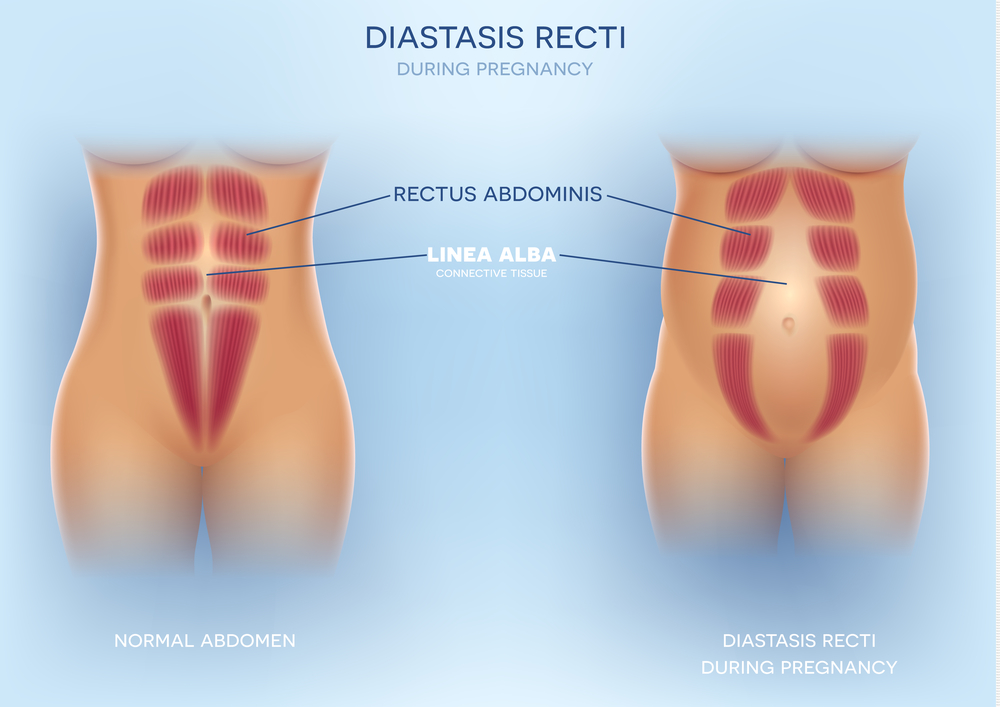
3. Diastasis Recti (abdominal muscle separation)

To make room for the growing size of a baby, your abdominal muscles are stretched and sometimes separation can occur where a gap can be felt. It is called diastasis recti and is commonly an issue later in pregnancy in the third trimester. Diastasis recti can reduce core strength postnatally which tends to rehab to assist recovery and regain strength.

4. Carpal tunnel syndrome

Fluid retention is another common problem during pregnancy. When fluid is retained on the peripherals of the arms, it can compress on nerve in the carpal tunnel, causing hand pain, tingling and numbness.

Our physiotherapists at Capital Physiotherapy are trained to assess and treat pregnancy related pain and issues. We can assist in managing your pregnancy by:

– Providing education regarding posture

– Assess and prescribe exercises according to your fitness level, with consideration of

your pain if there’s any, to strengthen your abdominal muscles and pelvic floor muscles. – Tape or advise on equipments (e.g. pregnancy belts) to support your lower back – Treatment to alleviate pain results from pregnancy related changes. – Advise on modifications to your activities to keep you active during pregnancy

Call us or make a booking online if you are experience pain or would like to condition for having a baby. At Capital Physiotherapy, our friendly physios are trained in clinical pilates to look after pregnant lady during and post-pregnancy.

Exercises for Back Pain Relief

One in 6 Australians experiences lower back pain at some stage in life.  Symptoms of lower back pain can be debilitating – pain can remain localised in the lower back and in some cases can refer down the legs.  It also restricts movements which then affect work and simple activities of daily living such as putting shoes on, sitting and pulling pants up etc.

Despite pain with movement, exercises are recommended over rest.  Avoid prolonged sitting or standing as remaining in stationery positions tends to disengage muscles that are essential to provide stability to your back.  Keep it moving help relieve pain and assists in the recovery. Here are some gentle exercises that can provide some relief to your back pain:

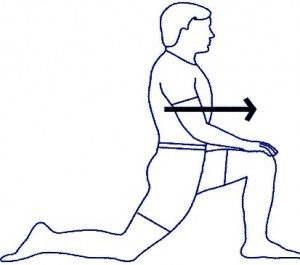
  Hip flexor stretch

  • Hip flexors are commonly tight for those who sits a lot as it remains in a shortened position when sitting.  Tight hip flexor can contribute to back pain as it attaches to the spine.
  • By performing this stretch as in the picture, you’ll feel tension at the front of the back leg. Push your hips forward to deepen the stretch.
  • Hold for at least 30secs.  Do 3-5 times on each side daily.

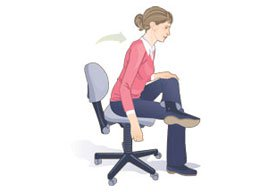
Glutes stretch

  • This stretch targets the gluteal muscles and can easily be done when in the office or commuting on the train
  • Sit with one leg crossed, lean forward and gently press the knee of the crossed leg down. You’ll feel a stretch on the side of the hip.

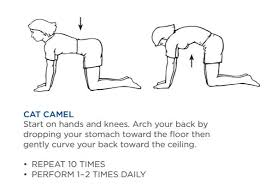
Cat and camel

  • This exercise aims to gently get your back moving
  • Start on your hands and knees.  Make sure your hands are under your shoulders and your knees are directly under your hips.
  • Slowly drop your stomach down and then gently arch your back up.
  • Do 10 times every morning and night

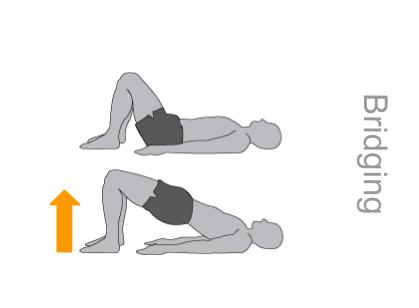
Bridging

  • This exercise strengthens hip muscles that tends to be switched off when sitting for long.
  • Start by lying down with knees bent. Making sure hips, knees and ankles are in line.
  • Lift hips up and lower down with control
  • Do 15-20 per set and 2-3 sets daily.

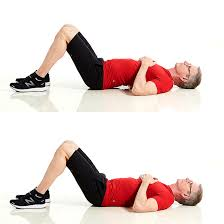
Pelvic tilt

  • This exercise targets your core muscles which assists in providing stability for your back
  • Prepare by setting up the same as the last exercise.
  • Tuck your tailbone in to flatten the curve on your back, hold for 5-10 secs then relax. You should feel your tummy muscles contracting.
  • Do 5-10 secs hold for 10 times every day

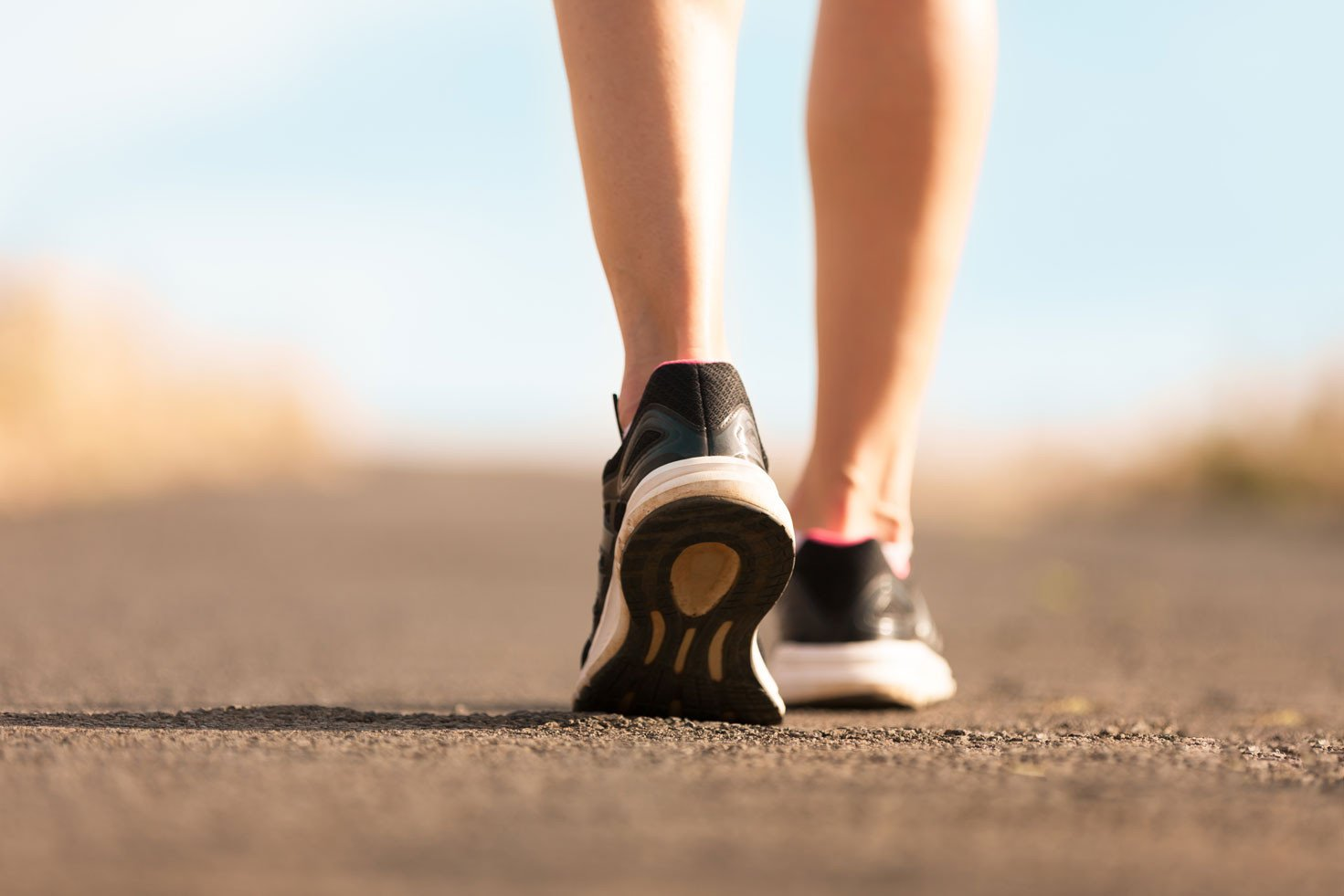
Walking

Although simple, walking is one of the dynamic exercises that is effective in engaging many different muscles. It is also a low impact exercise that can replace running or other high intensity when you have back pain.

If you are suffering from back pain, physios at capital physiotherapy can assess, diagnose and provide you with the right exercises to relieve pain and get your back moving.  Capital physiotherapy is also passionate at injury prevention, so give us a call if you would like more exercises and strategies to prevent recurring lower back pain.

Images from http://www.legacyneuro.com/fitness-friday-maintain-healthy-back/

https://www.bidmc.org/about-bidmc/blogs/wellness-insight-landing/sports-medicine-and-fitness/hip-flexor-stretch

https://www.besthealthmag.ca/best-you/stretching/seated-glute-stretch/

https://goodexerciseguide.com/the-exercises/bridging-exercise/

https://www.gaiam.com/blogs/discover/how-to-be-more-mindful-just-by-breathing-and-walking

Does Physiotherapy Help Osteoarthritis?

Osteoarthritis is a chronic condition caused by the breakdown of cartilage on the contact surface of a bone in the joint. Cartilage is important to provide a smooth surface for movement.  Therefore as the cartilage breakdown deteriorates, inflammation kicks in resulting in swelling and pain. The rough cartilage surface affects the fluidity of movement. The chronic joint pain, joint swelling, joint stiffness hence affects mobility and quality of living.  

Risk factors

There are many risk factors that are unmodifiable1 :

  • Age
  • Genetics
  • Family history
  • Female sex
  • Race

There are also a range of risk factors that are modifiable.  Our physios are trained to identify the modifiable factors and work with you to improve symptoms as well as prevent further decline in functions. These modifiable factors1  include:

  • Previous injury

Physios at capital physiotherapy are trained to assess, diagnose and rehabilitate your injuries to ensure you achieve the best outcome.  In doing so, we are taking a proactive approach to prevent osteoarthritis.

  • Obesity

Sports physios carefully assess your current level of functions and mobility, then prescribe you with exercises of suitable level to assist with weight control.  Capital physiotherapy particularly emphasis on strength and conditioning to encourage you to live a active lifestyle.

  • Occupational overuse

Physio has the knowledge to optimise your occupational health.  We can advise on modifying your work environment or desk setup. This allows your body to efficiently perform tasks at work and hence putting less stress on your body joints.

So make an appointment with our physios at Capital Physiotherapy today to discuss any osteoarthritis related symptoms your have and start to feel stronger and better!


Reference:

1 March, L. M., & Bagga, H. (2004). Epidemiology of osteoarthritis in Australia. Medical journal of Australia, 180(5), S6.